Plastic & Reconstructive Surgery in Oncology: Restoring Form, Function, and Confidence After Cancer Surgery
Plastic and Reconstructive Surgery in Oncology Plastic and Reconstructive Surgery in Oncology
Request an appointment Consult our Cancer Specialists

Plastic & Reconstructive Surgery in Oncology

Restoring Form, Function, and Confidence After Cancer Surgery

When cancer is removed, surgeons sometimes need to take out skin, fat, muscle, bone, or other tissues to make sure all the tumor is gone. While this is lifesaving, it can leave defects that change how someone looks and functions—affecting speech, swallowing, breathing, movement, or body image.

Plastic & Reconstructive Surgery rebuilds these areas using healthy tissue taken from elsewhere on the patient's body (called flaps). These flaps carry their own blood supply and help the wound heal strongly and reliably. Reconstruction may be done at the same time as tumor surgery (immediate reconstruction) or later (delayed reconstruction) depending on cancer treatment plans.

Head & Neck Cancer Reconstruction

Head & neck cancers can involve the tongue, mouth, jaw, throat, cheek, and face. These areas are essential for speech, swallowing, chewing, breathing, and expression.

Common Flaps & Where Tissue Comes From

1. Fibula Free Flap

Taken from: Outer part of the lower leg (fibula bone), often with overlying skin.

Placed at: Jaw (mandible) when segment of jaw is removed.

Why used: Fibula provides a strong bone segment that can be shaped to make a new jaw. Dental implants can often be placed later.

Donor-site expectation: Most people walk normally; leg is stable. Expect a scar on the lower leg and possible numbness or weakness for a short time.

2. Radial Forearm Free Flap

Taken from: Inner forearm skin and thin soft tissue (may require a skin graft to close the donor site).

Placed at: Tongue, oral lining, floor of mouth, or small cheek defects.

Why used: Thin, flexible tissue ideal for lining and mobile areas like the tongue.

Donor-site expectation: Forearm scar; temporary sensitivity change; a small graft area that needs care.

3. Anterolateral Thigh (ALT) Flap

Taken from: Outer thigh skin and fat (sometimes muscle perforators).

Placed at: Large cheek, neck, or face soft-tissue defects.

Why used: Provides bulk when needed, good long scar hidden by clothing.

Donor-site expectation: Thigh scar, usually well hidden; walking is typically unaffected.

4. Scapular / Parascapular Flap

Taken from: Upper back/shoulder blade area.

Placed at: Composite defects needing both skin and soft tissue.

Donor-site expectation: Back scar; usually minimal functional loss.

5. Pectoralis Major Flap

Taken from: Chest muscle (pectoralis major).

Placed at: Large or emergency neck/cheek defects when quick, robust coverage is needed.

Donor-site expectation: Chest scar; small impact on pushing/weight-lifting but daily activities usually preserved.

Key Surgical Principles

  • Replace "like with like": thin lining with thin flaps, bone with bone, bulk with thicker flaps.
  • Restore function: priority to speech, swallowing, airway, and facial movement.
  • Ensure reliable blood flow: free flaps are reconnected to small blood vessels (microsurgery) for best healing.
  • Plan for future needs: e.g., dental rehabilitation, implants, or speech therapy.

What Patients & Attendants Should Expect

  • Surgery commonly includes both cancer removal and reconstruction—sometimes lasting many hours.
  • Two wounds: the primary site (face/neck/mouth) and the donor site (leg/forearm/thigh/back/chest).
  • Donor-site scars are usually acceptable and often hidden by clothing.
  • Early problems to watch for: flap swelling, bleeding, or color change—these are monitored in hospital.
  • Rehabilitation: speech and swallow therapy are commonly required and very effective.
  • Most patients regain improved speech and swallowing over weeks to months.

Benefits

  • Restores the ability to eat, talk, and breathe more normally.
  • Recreates facial shape and symmetry, reducing social anxiety.
  • Reduces risk of wound problems and infections.
  • Allows fuller, safer recovery and improved quality of life.

Breast Cancer Reconstruction

Breast reconstruction restores breast shape after lumpectomy or mastectomy. It addresses physical balance as well as emotional and psychological well-being.

Why Breast Reconstruction Is Especially Important

  • The breast is central to body image, femininity, and self-identity for many women.
  • Reconstruction helps reduce the emotional impact of mastectomy—improving self-image, posture, and clothing fit.
  • It can reduce the daily reminder of loss and support mental health recovery.
  • Good reconstruction may improve long-term confidence, sexual well-being, and social functioning.

Common Flaps & Implant Options

1. DIEP Flap (Deep Inferior Epigastric Perforator)

Taken from: Lower abdomen (skin and fat, sparing the muscle).

Placed at: Chest to create a breast mound.

Why used: Gives a natural-feeling breast using your own tissue; spare muscle means less donor-site weakness.

Donor-site expectation: Tummy scar similar to a "tummy-tuck"; improved abdominal contour.

2. TRAM Flap (Transverse Rectus Abdominis Myocutaneous)

Taken from: Lower abdomen including muscle.

Placed at: Chest.

Why used: Good tissue volume but may weaken abdominal wall more than DIEP.

Donor-site expectation: Tummy scar; possible abdominal weakness risk (surgeon may use mesh to reinforce).

3. Latissimus Dorsi Flap

Taken from: Upper back muscle and skin.

Placed at: Chest (often combined with implant for volume).

Why used: Reliable blood supply, useful especially when prior radiation has affected chest tissues.

Donor-site expectation: Back scar hidden by bra; small effect on shoulder strength for some patients.

4. Implant-Based Reconstruction

Taken from: Synthetic implant (silicone or saline).

Placed at: Chest to recreate breast shape.

Why used: Shorter operation, quicker recovery; may be combined with flaps if needed.

Donor-site expectation: No donor scar; implants may need replacement over many years.

Key Principles

  • Choice is individualized: depends on body habitus, prior treatments, cancer plan (including radiation), and patient goals.
  • Immediate vs delayed: immediate reconstruction at time of mastectomy is possible and often beneficial; delayed reconstruction may be chosen if radiation or other treatments are planned.
  • Preserve muscle when possible: DIEP preserves abdominal muscle for better long-term function.

What Patients & Attendants Should Expect

  • Donor-site scars (abdomen, back) and a chest scar.
  • Recovery varies: implant-based is quicker; DIEP/TRAM are longer surgeries and recovery but more natural-feeling results.
  • Possible need for symmetry procedures on the opposite breast (lift/reduction) to match.
  • If radiation is planned, timing and flap choice will be discussed (see radiation section).
  • Long-term: reconstructed breast may feel different (less sensation) but appearance can be excellent.

Benefits


Restores breast shape and symmetry.


Improves clothing fit, posture, and body image.


Supports emotional and psychological recovery after cancer.

Pediatric Cancer Reconstruction

Children's bodies are still growing, so reconstruction requires special planning to preserve growth and function.

Common Flaps & Sources

  • ALT Flap (Thigh) — large soft-tissue defects of limbs/trunk.
  • Gracilis Flap (Inner thigh muscle) — small muscle flaps ideal in children.
  • Latissimus Dorsi Flap (Back) — reliable for bigger defects.
  • Local rotation flaps — use nearby skin to minimize scarring and preserve function.

Key Principles

  • Minimize donor-site morbidity: avoid long-term weakness or growth problems.
  • Plan for future growth: place grafts/flaps so they allow normal development.
  • Use smaller, child-appropriate flaps when possible.

What Patients & Attendants Should Expect

  • Careful follow-up over years to monitor growth and function.
  • Physical therapy and sometimes occupational therapy to regain use.
  • Emphasis on minimizing scars and psychological support for the child and family.

Benefits

Protects bones and nerves after tumor removal.

Restores normal function and appearance as the child grows.

Reduces long-term deformities and improves quality of life.

Reconstruction After Soft Tissue Sarcoma Resection (Limb & Trunk)

Sarcomas often require removing large amounts of muscle and skin, exposing bone and joints. Reconstruction protects these structures and helps save the limb.

Common Flaps & Sources

1. ALT Flap (Anterolateral Thigh)

Taken from: Thigh skin/fat.

Used at: Limb or trunk defects—very versatile.

2. Latissimus Dorsi Flap

Taken from: Upper back.

Used at: Large defects especially in shoulder/back region.

3. Gracilis Flap

Taken from: Inner thigh muscle.

Used at: Smaller limb defects or for functional muscle transfer.

4. Free Fibula Flap

Taken from: Leg bone.

Used at: When bone replacement is required (e.g., large tibial/mandible defects).

5. Local Fasciocutaneous Flaps

Taken from: Tissue close to the defect when available.

Used at: Moderate-size wounds to minimize new donor sites.

Key Principles

  • Cover exposed bone, vessels, and nerves with healthy, well-vascularized tissue.
  • Aim for limb salvage instead of amputation when possible.
  • Coordinate with orthopedic oncology for stability and function.

What Patients & Attendants Should Expect

  • Early mobilization and physiotherapy are essential.
  • Donor-site scar and temporary weakness at donor location (usually improves).
  • Some patients require staged procedures for bone reconstruction or fixation.

Benefits

Saves limbs in many cases.

Restores movement, weight-bearing, and daily activities.

Reduces infection and wound breakdown, allowing chemotherapy/radiation to continue on schedule.

Reconstruction & Radiation — What You Need to Know

Radiation therapy is often part of cancer treatment. Radiation affects skin and soft tissue by making them thinner, firmer, and slower to heal. This influences reconstruction planning.

When Reconstruction Happens Relative to Radiation

  • Immediate reconstruction before radiation: possible with robust flaps (e.g., DIEP, ALT, Latissimus) that tolerate radiation better.
  • Delayed reconstruction after radiation: chosen when radiation needs to be delivered to the chest/neck area first; reconstruction is done once radiation effects settle.
  • Staged approach: sometimes a temporary solution (skin graft or implant) is used first, followed by flap reconstruction after radiation.

Why Flap Reconstruction Is Helpful When Radiation Is Planned

  • Flaps bring healthy, well-vascularized tissue into the irradiated area — this improves healing and reduces complications.
  • Autologous tissue (your own tissue) responds better to radiation than scarred or thin irradiated skin.
  • Flap reconstruction can reduce long-term fibrosis (hardening) and improve cosmetic results.
  • In head & neck and sarcoma cases, flaps protect vital structures (vessels, bone) during and after radiation.

What Patients & Attendants Should Expect

  • If radiation is planned, your surgical team will discuss the best flap type and timing.
  • Sometimes reconstruction is delayed until after radiation to avoid flap damage; other times, immediate flap reconstruction is preferred to allow proper wound healing and earlier chemotherapy/radiation scheduling.
  • Close coordination between surgical, medical, and radiation oncology teams ensures the best outcome.

Benefits of Proper Planning

Better long-term appearance and function.

Lower risk of wound breakdown during radiation.

Faster overall recovery and return to normal life.

Recovery, Rehabilitation & Possible Risks

Hospital Stay & Early Recovery

  • Major free-flap operations typically require 4–10 days in hospital for monitoring (depends on procedure).
  • Flap monitoring ensures blood supply is intact; early detection of problems allows timely correction.
  • Drain tubes and dressings are common in early days.

Rehabilitation

  • Speech & swallow therapy for head & neck reconstruction.
  • Physiotherapy for limb or chest wall reconstruction (to regain strength and movement).
  • Wound care education for donor and recipient sites.
  • Psychosocial support is often helpful—many patients benefit from counseling.

Typical Timeline

First 2 weeks

Wound healing and pain control; limited mobility.

4–12 weeks

Increasing activity with physiotherapy; many return to daily light activities.

3–6 months

Significant recovery; strength and function improving.

6–12 months

Long-term results apparent, scar maturation continues.

Risks & How We Minimize Them

  • Flap failure (rare): monitored closely; re-exploration can sometimes save it.
  • Infection, bleeding, wound breakdown: prevented by careful technique and antibiotics.
  • Donor-site problems: numbness, scarring, temporary weakness—surgeons choose flaps to minimize this.
  • General surgical risks: anesthesia complications, blood clots — managed proactively.

Your surgeon will discuss risks specific to your condition and comorbidities before surgery.

Frequently Asked Practical Points

Will I have two scars?

Yes — one at the cancer site and one at the donor site. Both heal and become less visible over time.

Will I look normal again?

Yes — reconstruction restores shape and symmetry. Final results improve over months.

Will I need physiotherapy?

Yes — speech/swallow therapy or limb physiotherapy is often needed for best recovery.

Can I have reconstruction if I need radiation?

Yes — but timing and flap choice are planned carefully with oncologists.

Are implants safe?

Yes. Modern implants are safe; some may need replacement in 10–15 years.

Will the reconstructed area have sensation?

Sensation may be reduced initially but often improves over time.

How long will healing take?

Most daily activities resume in 4–6 weeks. Full healing & scar softening: 6–12 months.

Will the donor site affect my movement?

Most patients return to normal activity. Fibula donors walk normally. Forearm donors regain hand function. Thigh donors walk normally. Back flap donors regain shoulder strength.

Is reconstruction cosmetic?

No — it is functional and reconstructive. It restores appearance and important everyday functions.

Take-Home Message

Reconstruction is a vital part of cancer treatment — it helps rebuild form and function, protects vital tissues, and improves emotional recovery.

Flaps are your own healthy tissues moved from a safe donor site to rebuild the area that cancer surgery removed.

Choice and timing matter — your surgical team will recommend the best flap and timing based on tumor type, need for radiation, and your personal goals.

Recovery needs time and therapy, but outcomes are often excellent: patients regain function, appearance, and confidence.

Ask questions and bring a support person to appointments — understanding the plan helps you feel more confident and prepared.
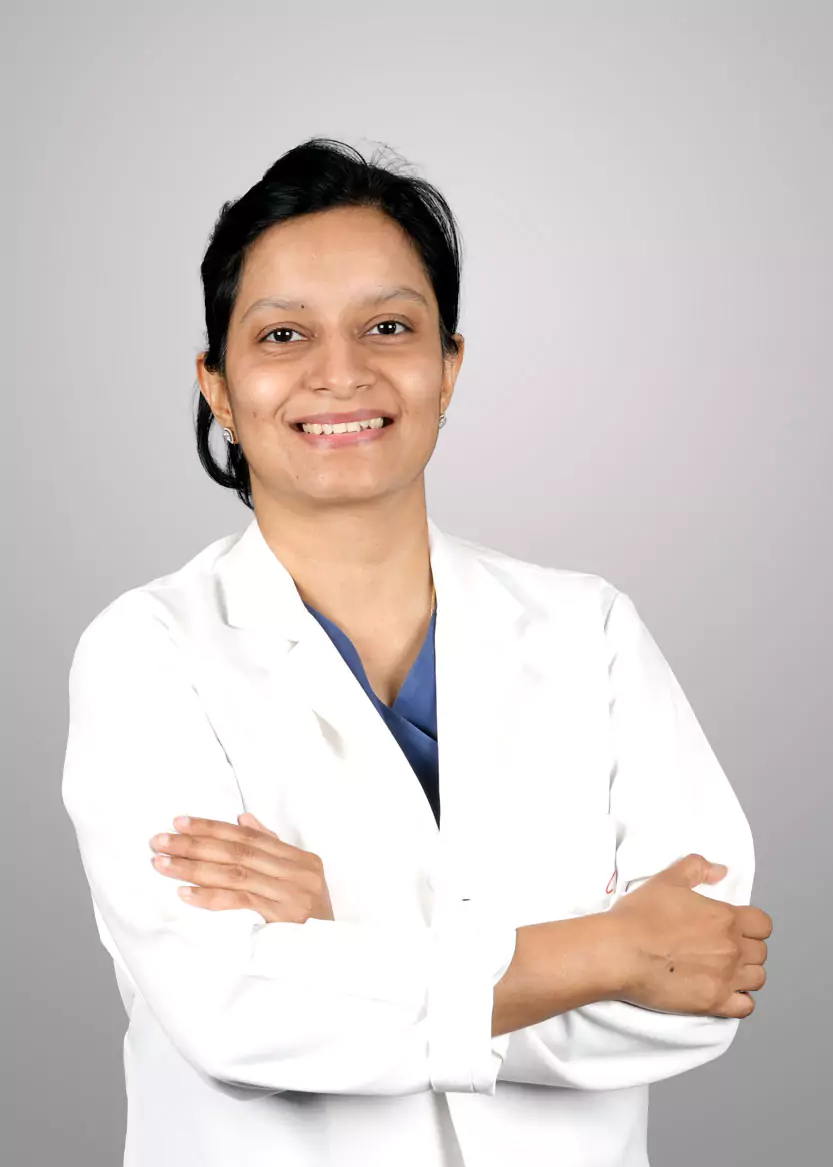
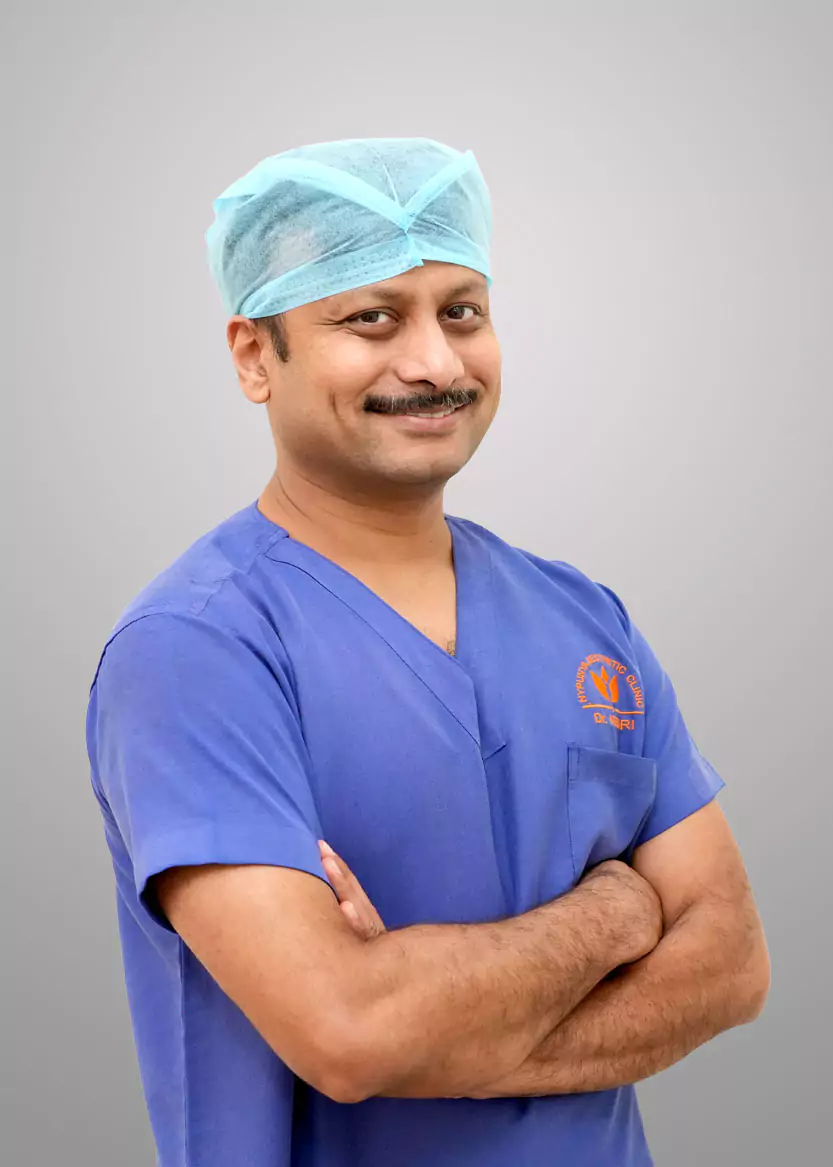
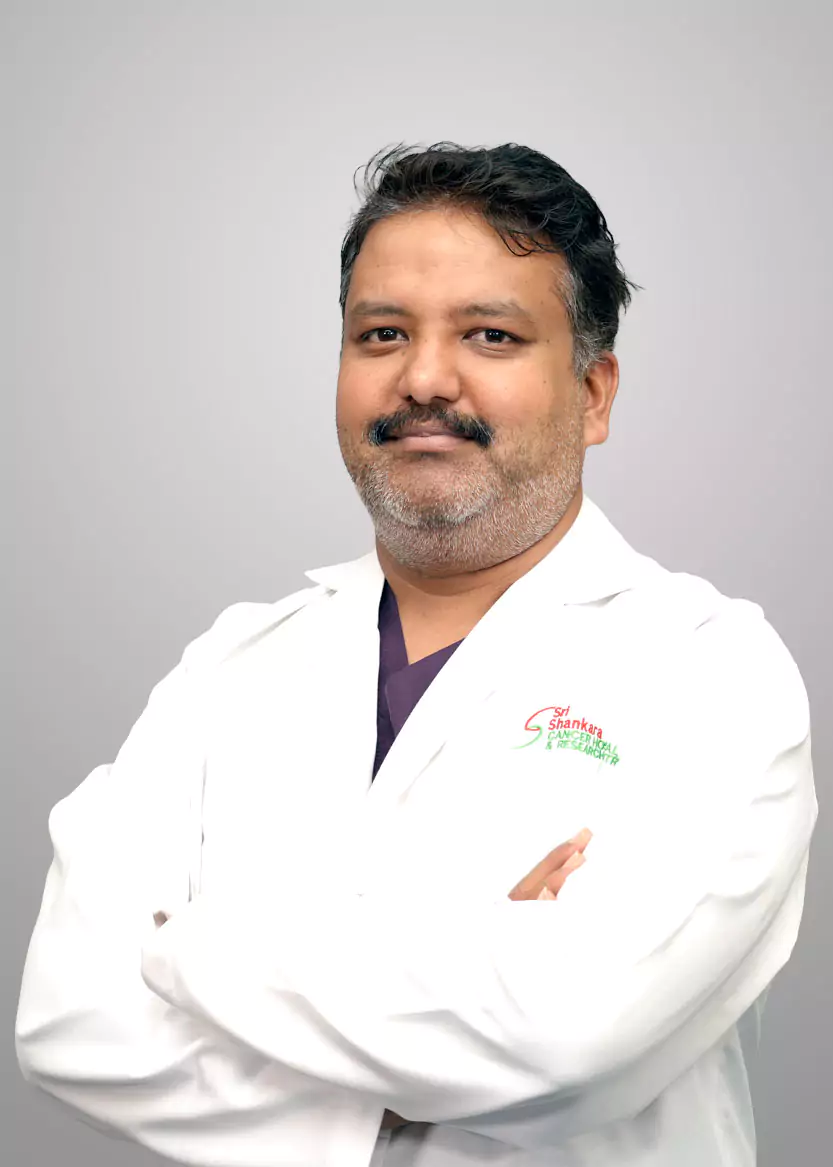
Our Plastic and Reconstructive Surgery Specialists

Meet our specialized reconstructive surgeons dedicated to restoring form and function after cancer treatment.

Sri Shankara Cancer Hospital Footer Shankara Cancer Hospital & Research Center