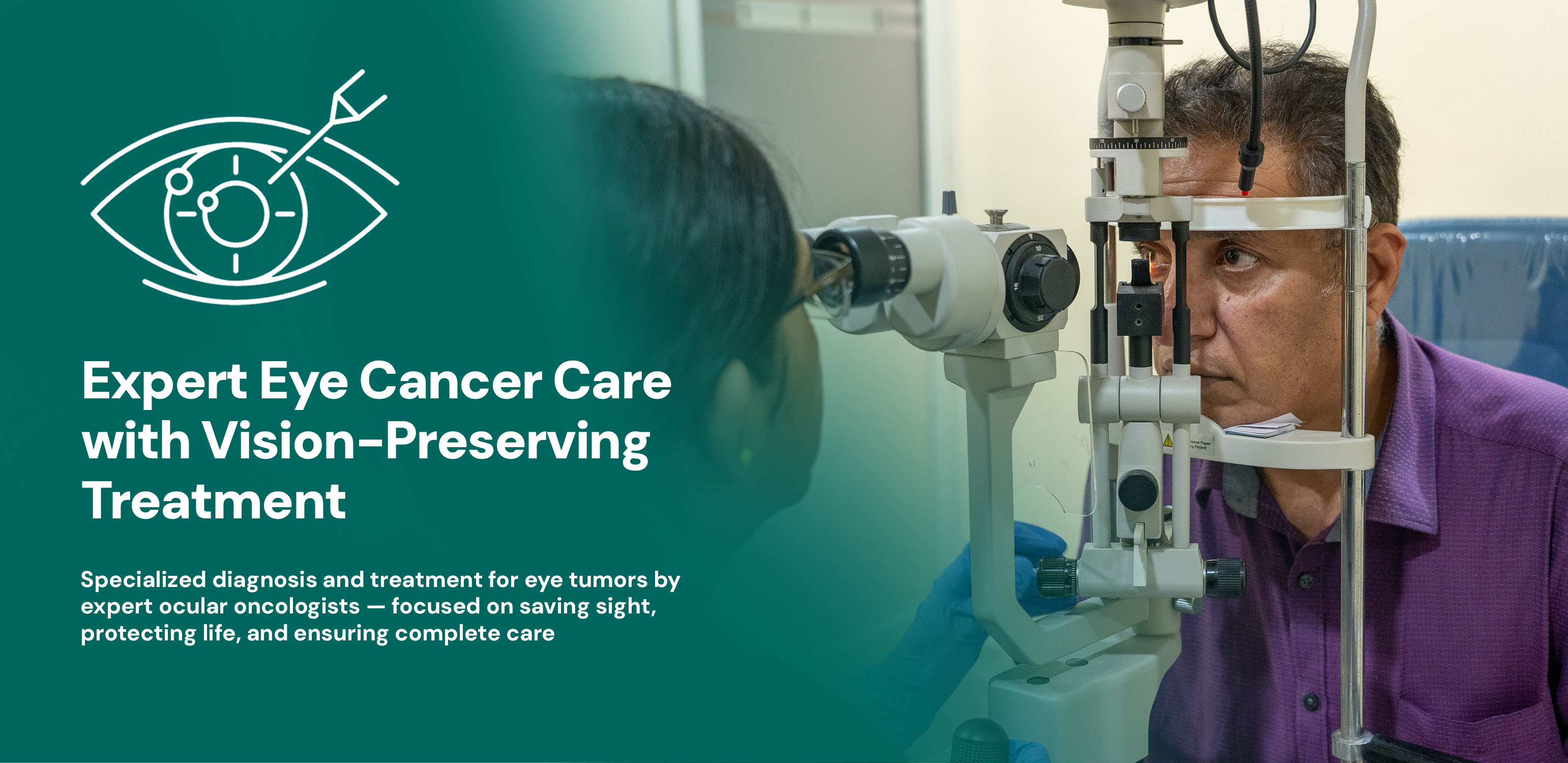
The Ophthalmic Oncology (Ocular Oncology) Department provides highly specialized, multidisciplinary care for malignant and benign tumors of the eye, eyelids, and eye socket (orbit). Our mission is to prioritize saving the patient's life, preserving the eye, and protecting vision. We integrate advanced, globe-sparing treatments like Plaque Brachytherapy, Intra-arterial Chemotherapy (IAC), and precision laser therapies, followed by expert Oculoplastic Reconstructive Surgery to restore function and appearance.
Ocular cancers are rare and require a unique combination of ophthalmic (eye) expertise and oncology knowledge. Our department is dedicated to the precise diagnosis and treatment of tumors in this delicate region, where the consequences of treatment can directly impact sight.
Our department follows a patient-centric approach with a clear hierarchy of priorities: life, eye, and vision preservation.
Every treatment plan, guided by international standards, follows the established hierarchy: first, secure the patient's life; second, save the eye (globe); and third, preserve vision whenever medically possible.
We specialize in managing rare tumors, including the most common eye cancer in adults, Uveal Melanoma, and the most common eye cancer in children, Retinoblastoma. We also treat tumors of the eyelids, conjunctiva, and orbit.
Our Ocular Oncologists work seamlessly with a dedicated team of specialists—Radiation Oncologists, Medical Oncologists, and Oculoplastic Surgeons—who meet regularly in a Tumor Board to tailor the most effective, least invasive treatment strategy for your specific tumor and stage.
Our services leverage advanced technology to deliver localized, high-impact treatment with minimal collateral damage to healthy ocular structures.
A specialized form of localized Radiation Therapy where a small, curved device (a plaque containing radioactive seeds, e.g., Iodine-125) is surgically secured directly onto the outside of the eye, precisely over the tumor. The plaque is removed after several days.
Targeted Internal Radiation: The surgeon places a tiny, curved shield containing radioactive seeds directly on the eyeball, right where the tumor is. This allows the radiation to kill the cancer up close while sparing the surrounding retina and optic nerve crucial for vision.
A highly specialized technique, particularly for Retinoblastoma, where a catheter is threaded through the body to deliver high-dose chemotherapy directly into the ophthalmic artery supplying the eye. This maximizes local effect while minimizing systemic toxicity.
Super-Focused Chemo: Instead of chemo circulating throughout the body, we use a tiny tube to deliver the medicine directly into the artery of the eye. This maximizes the cancer kill in the eye, helping avoid eye removal (enucleation) in children.
We use Gene Expression Profiling (GEP) on tumor tissue obtained via biopsy to analyze genetic markers (e.g., for Uveal Melanoma). This helps predict the patient's risk of metastatic spread and guides personalized surveillance plans and eligibility for novel systemic Targeted Therapies.
Predicting the Future: We analyze the cancer's genetic makeup to understand how likely it is to spread. This helps us decide exactly how often to check you and determine if a new, personalized targeted drug is the best option.
Performed by specialized Oculoplastic Surgeons, this is often necessary after tumor removal (e.g., eyelid excision or enucleation). Techniques include skin grafts, tissue flaps, and preparation of the eye socket for a custom-made Ocular Prosthesis.
Restoring Appearance and Function: If the tumor requires removing the eye or part of the eyelid, our plastic surgery experts work to rebuild the area. This ensures the best possible cosmetic result and proper function (like tear drainage) after the cancer is gone.
As one of the few high-volume centers for Ophthalmic Oncology, our team has deep experience treating the full spectrum of rare eye cancers, significantly improving patient outcomes compared to general oncology settings.
Our active participation in major international clinical trials for cancers like Uveal Melanoma ensures patients have early access to cutting-edge investigative therapies, including novel nanoparticle and immune-checkpoint inhibitor strategies.
Our reconstructive and prosthetic experts collaborate from the diagnosis stage, ensuring that the necessary steps for the best aesthetic and functional rehabilitation are incorporated into the primary treatment plan.
We use advanced Transpupillary Thermotherapy (TTT) and cryotherapy to manage smaller or residual tumors, often helping to preserve central vision that might otherwise be compromised by radiation or larger surgery.
We utilize specialized ophthalmic ultrasound (UBM) and high-resolution orbital MRI/CT exclusively for eye tumors, ensuring unparalleled diagnostic detail for accurate staging and treatment delivery.
We provide specialized long-term surveillance for high-risk patients (e.g., those with large Uveal Melanomas or those who received radiation), coordinating care with systemic oncologists to ensure early detection of any metastatic disease.
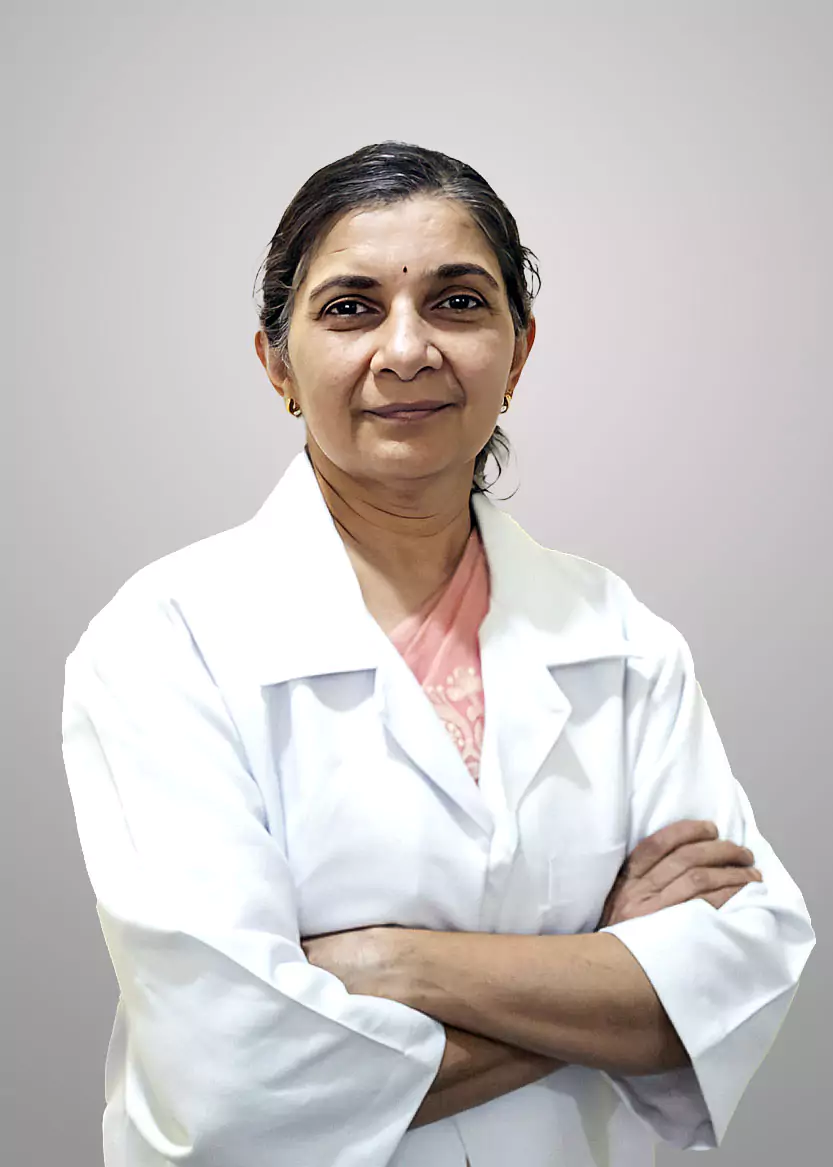
MBBS, DNB - Ophthalmology (2000), Fellowship - Vitero Retinal Surgery (2003)
Senior ConsultantOphthalmic Oncology

MBBS, DNB - Ophthalmology (June 2007), Fellow in Orbit & Oculoplasty (Oct 2009)
Senior ConsultantOphthalmic Oncology