The Interventional Pulmonology Department provides highly specialized, minimally invasive, endoscopic procedures for the diagnosis, staging, and treatment of lung cancer and other thoracic malignancies. Our interventional pulmonologists use advanced technologies like Endobronchial Ultrasound (EBUS) to accurately access tumors and lymph nodes without open surgery. We focus on rapid, high-precision diagnosis and immediate relief of airway obstruction, a crucial service for both curative and palliative cancer care.
Interventional Pulmonology (IP) is a subspecialty that uses flexible and rigid endoscopic tools to perform procedures within the lungs, airways (trachea and bronchi), and chest cavity (pleura). In oncology, the IP team is essential for ensuring accurate, timely diagnosis and providing immediate symptom relief for airway-related issues.
Our department is dedicated to providing minimally invasive, precision-based diagnostic and therapeutic interventions for thoracic malignancies, ensuring optimal patient outcomes through advanced endoscopic techniques.
We specialize in obtaining tissue samples (biopsies) from hard-to-reach central and peripheral lung nodules and mediastinal lymph nodes. Our goal is to secure a definitive diagnosis and accurate staging (NCCN standard) for lung cancer along with adequate tissue for molecular diagnostics including NGS with the least invasive method possible.
A primary function is managing airway obstruction caused by tumors growing into the windpipe or main bronchi. We restore breathing, which dramatically improves a patient's quality of life and allows systemic treatments to proceed.
We are an integral part of the Thoracic Oncology Tumor Board, working closely with surgical, medical, and radiation oncologists to provide essential staging data that dictates whether a patient is a candidate for curative surgery.
Our services leverage advanced endoscopic imaging and precision tools to treat malignancies and related complications within the chest.
A minimally invasive technique utilizing a bronchoscope equipped with an ultrasound probe to visualize lung masses and lymph nodes in the chest (mediastinum). It enables real-time, highly accurate needle biopsy (Transbronchial Needle Aspiration) for precise staging and diagnosis. Also Radial probe helps in localising peripheral pulmonary modules with precision.
The Ultrasound Biopsy: We use a flexible tube with a tiny ultrasound tip inserted through your mouth to look inside the chest. This lets us see and sample lymph nodes next to the windpipe, giving doctors the precise diagnosis and staging information needed without surgery.
The process of reopening a blocked airway using tools like Rigid Bronchoscopy, Laser, Argon Plasma Coagulation (APC), or Electrocautery to debulk (remove) obstructing tumor tissue. Airway Stents (metal or silicone) are then placed to maintain the airway patency.
Restoring Breathing: If a tumor is blocking your windpipe, we use specialized tools (laser, cryotherapy) to quickly clear the obstruction. We then place a small stent (a tiny tube) to hold the airway open, providing immediate, crucial relief from shortness of breath.
Minimally invasive management of malignant fluid build-up (Pleural Effusion) around the lung using Thoracoscopy (Pleuroscopy) for diagnosis or placement of long-term tunneled Pleural Catheters to allow at-home drainage. Pleurodesis is a procedure that prevents fluid Accumilation by causing adhesion of both the layers of pleura.
Fluid Relief: If cancer causes fluid to build up around the lung, we can safely drain it and often place a soft, flexible tube (catheter) that allows for easy, comfortable drainage at home, improving your breathing and avoiding repeat hospital visits.
We combine state-of-the-art EBUS with Rapid On-Site Evaluation (ROSE) by a pathologist to ensure the highest possible diagnostic yield and the most accurate staging possible, reducing the time from diagnosis to the start of treatment.
By specializing in advanced endoscopic techniques, we help patients avoid more invasive procedures like mediastinoscopy or diagnostic thoracotomy, resulting in faster recovery and fewer complications.
Our expertise in Airway Recanalization using rigid bronchoscopy and stenting means we can provide immediate relief from debilitating tumor-related breathlessness, which is a key measure of quality of life in advanced thoracic oncology.
We work hand-in-glove with our Radiation and Medical Oncology teams, using our diagnostic data to guide precision radiation plans (SBRT) and ensuring patients are stable for systemic therapy.
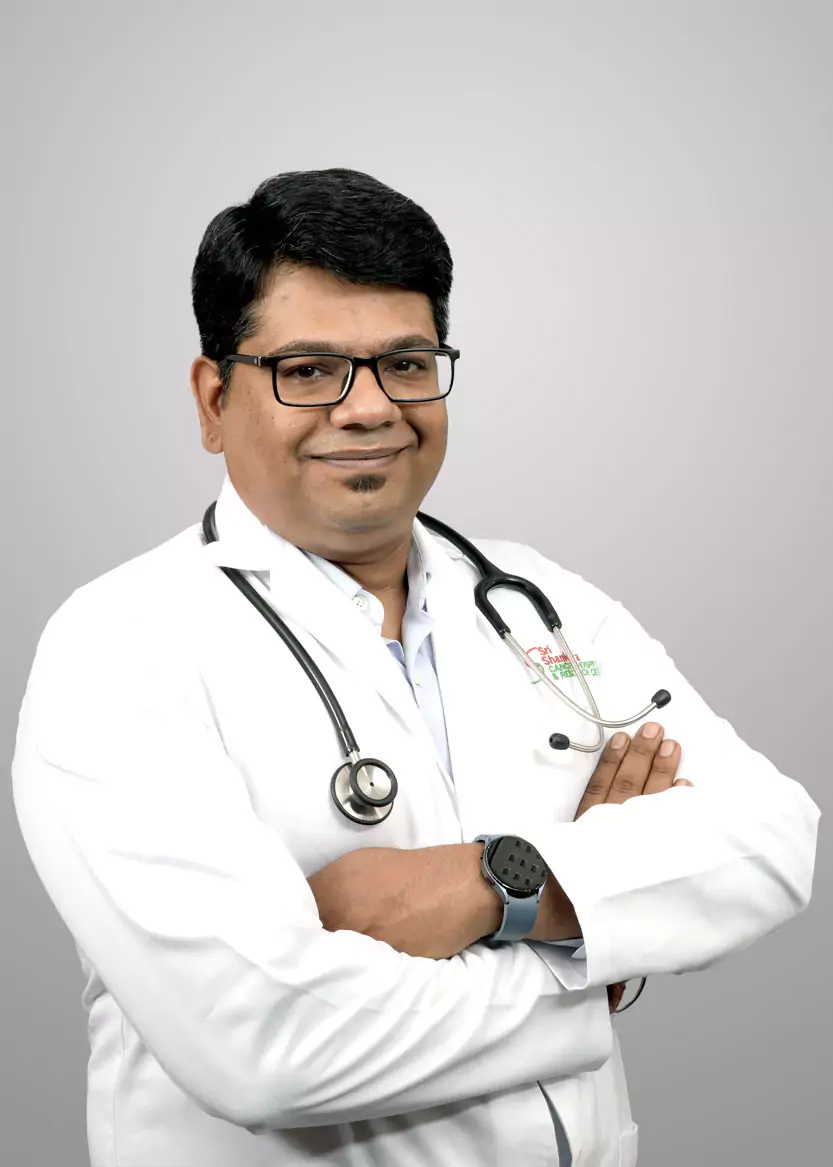
MBBS, DNB - Respiratory Medicine (May 2016), PDCC – Interventional Pulmonology (Sep 2018)
ConsultantPulmonary medicine and interventional pulmonology
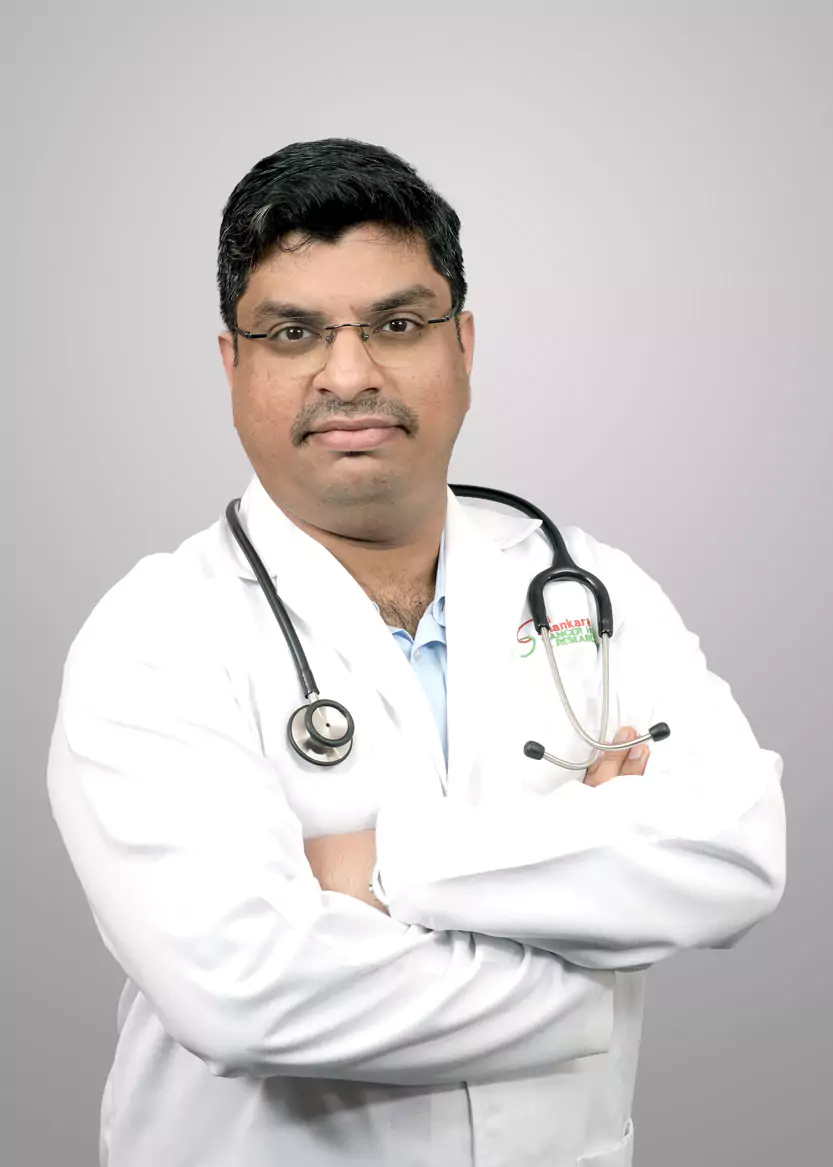
MBBS, MD - Respiratory Medicine (June 2020), DNB - Respiratory Medicine (Dec 2020), Fellowship in Interventional Pulmonology (Nov 2022)
Junior ConsultantPulmonary Medicine