The Endocrine Oncology Department specializes in the complex management of cancers and tumors affecting the body's hormone-producing glands, including the Thyroid, Adrenal, Parathyroid, and Neuroendocrine Tumors (NETs). Our highly experienced team—composed of Endocrine Surgeons, Endocrinologists, and Nuclear Medicine Specialists—delivers highly precise treatments like Radioactive Iodine (RAI) Therapy and Minimally Invasive Surgery. Our mission is to eliminate cancer while meticulously preserving your delicate hormone balance and long-term quality of life.
The endocrine system controls vital body functions through hormones. When cancer invades these glands, it can disrupt metabolism, growth, and other critical processes. Endocrine cancers are often rare, and demand specialized expertise.
Integrated Hormone and Tumor Management: We focus on two equally important goals: surgically removing the tumor and simultaneously restoring or maintaining optimal hormone balance. For tumors that over-secrete hormones (functioning tumors), treatment is designed to normalize those levels.
Multidisciplinary Team Approach: Given the complexity of the endocrine system, our care is inherently collaborative. Your treatment plan is coordinated by a dedicated team of Endocrinologists, Endocrine Surgeons, Nuclear Medicine Physicians, and Genetic Counselors, ensuring a consensus-based approach that adheres to standards set by NCCN and major endocrine societies.
Treating Rare Malignancies: We provide specialized expertise in highly complex conditions, including aggressive Adrenocortical Carcinoma, certain Pituitary Tumors, and rare inherited syndromes like Multiple Endocrine Neoplasia (MEN).
We utilize treatments that leverage the unique biological function of endocrine tissues (iodine uptake, hormone receptors) to target cancer cells precisely.
The original "Targeted Therapy" for Differentiated Thyroid Cancer (Papillary/Follicular). The patient ingests a pill containing radioactive iodine (I-131). Thyroid cells naturally absorb the iodine, allowing the localized radiation to destroy any remaining thyroid tissue or cancer cells throughout the body while sparing other organs.
Internal Smart Bomb: Since thyroid cells are the only ones that absorb iodine, we use radioactive iodine that is taken up only by those cells. It's a highly effective way to clean up any remaining cancer cells after surgery without exposing your entire body to high-dose external radiation.
Specialized surgical techniques, including laparoscopic, retroperitoneoscopic, and endoscopic approaches, are used to remove tumors of the thyroid, parathyroid, and adrenal glands through small, discreet incisions.
Keyhole Gland Surgery: We use tiny cameras and instruments to remove tumors, resulting in minimal pain, less scarring, and a much faster recovery. For thyroid surgery, this often results in a better cosmetic outcome on the neck.
Utilizes advanced nuclear medicine techniques like Peptide Receptor Radionuclide Therapy (PRRT) for certain Neuroendocrine Tumors (NETs). This involves pairing a diagnostic imaging agent with a therapeutic radioactive agent. Also includes Targeted Therapy (Multikinase Inhibitors) for advanced or RAI-refractory thyroid cancers.
Search and Treat: For some rare tumors, we use a compound that both finds the cancer (for diagnosis) and delivers a therapeutic dose of radiation directly to the tumor cells (treats). If RAI fails for thyroid cancer, we use precision targeted pills to stop the tumor from growing.
Post-treatment, most patients require close monitoring and replacement or suppressive hormonal therapy (e.g., TSH suppression post-thyroidectomy) to maintain a healthy metabolism and minimize the risk of cancer recurrence.
Lifelong Balance: After the tumor is removed, we monitor your hormone levels closely. We often prescribe hormone pills to replace what the gland made, ensuring your body functions perfectly and helping to prevent the cancer from returning.
Our program is co-managed by Nuclear Medicine Physicians with deep expertise in dosimetry (calculating the precise therapeutic dose of RAI), ensuring the treatment is optimally effective while adhering to the strictest radiation safety protocols (hospital stay and post-discharge precautions).
We utilize in-office procedures such as ultrasound and Fine Needle Aspiration (FNA), with results reviewed immediately by the Endocrine Oncologist, expediting diagnosis and treatment planning.
We provide specialized Genetic Counseling and screening for patients with known or suspected hereditary syndromes (MEN 1, MEN 2, VHL). This allows for proactive screening and timely prophylactic surgery (preventive tumor removal) in high-risk family members.
Recognizing that hormone imbalances affect bone density and metabolism, we integrate specialized follow-up, including managing metabolic bone disease and glycemic control (diabetes) related to the cancer or its treatment, ensuring true long-term survivorship health.
Our surgeons are skilled in highly specific procedures like Minimally Invasive Parathyroidectomy (often using intraoperative PTH testing for confirmation) and Retroperitoneoscopic Adrenalectomy for smaller tumors, leading to faster recovery and less tissue trauma.
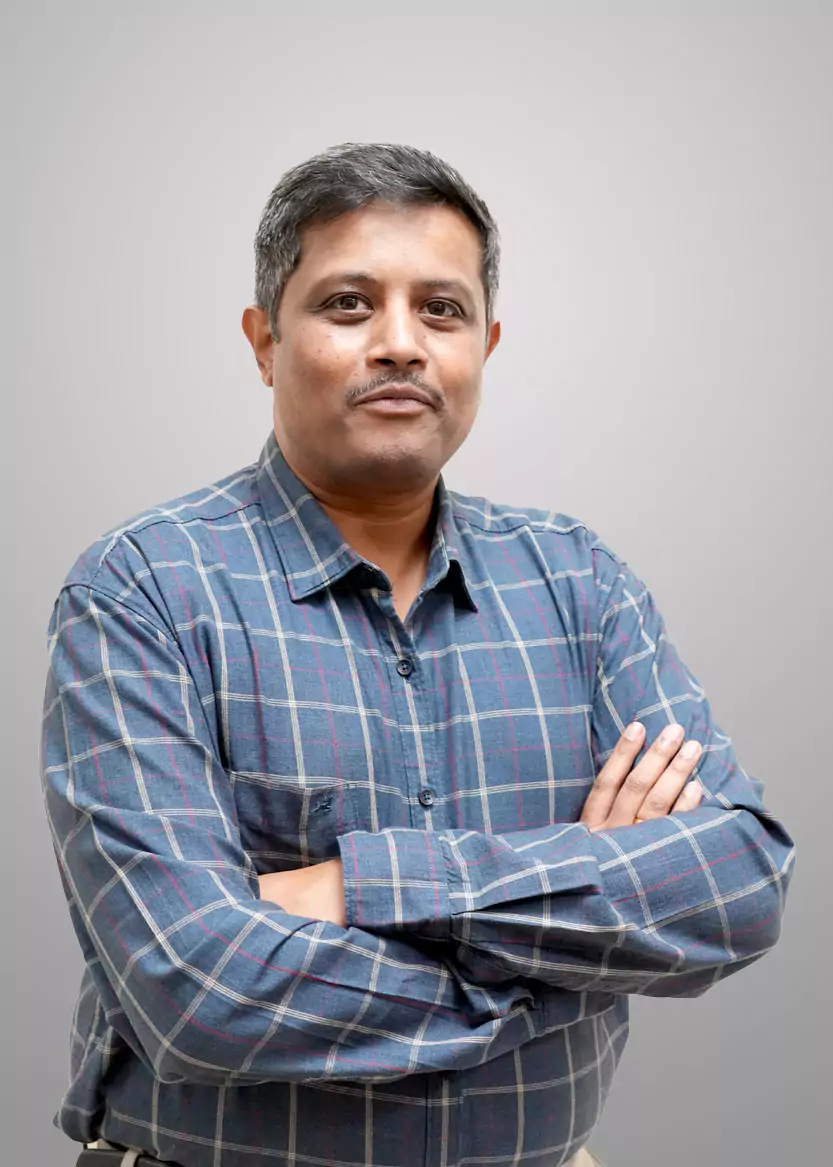
MBBS, MRCP (July 2006), FRCP (Oct 2016)
Senior ConsultantEndocrinology