
The Cardio-Oncology Department is a critical, specialized field dedicated to preventing and treating heart and vascular complications that can arise from cancer treatment. Our multidisciplinary team of cardiologists and oncologists conducts thorough baseline risk assessments and utilizes advanced cardiac imaging (Strain Echocardiography) to monitor heart health, ensuring patients can safely receive optimal doses of life-saving therapies like Chemotherapy, Targeted Therapy, and Immunotherapy. Our mission is to protect your long-term cardiovascular health without compromising your cancer outcome.
The relationship between cancer treatment and heart health is complex. Many powerful and effective cancer drugs, as well as radiation to the chest, can cause damage or stress to the heart and blood vessels (Cardiotoxicity). Our Cardio-Oncology specialists are trained to manage this unique risk, providing specialized care before, during, and after cancer therapy.
Risk Stratification and Prevention: We assess your personal cardiac risk factors (pre-existing heart disease, high blood pressure) against the specific toxicity profile of your planned cancer treatment (e.g., Anthracyclines, Trastuzumab, ICIs). We implement pre-emptive cardio-protective strategies before treatment begins.
Proactive Monitoring: We utilize specialized diagnostic tools to monitor the heart for early, subtle signs of damage (Cardiotoxicity) during the active phase of cancer therapy, allowing the oncology team to make rapid, protective adjustments to treatment protocols.
Survivorship Care: We manage the long-term cardiac health of cancer survivors, as heart complications can sometimes appear years after the completion of treatment.
Our services integrate advanced cardiology techniques with oncology risk assessment, focusing on early detection and prevention of cardiac injury.
Comprehensive pre-treatment evaluation, including detailed cardiac history, physical exam, and specialized imaging (Echocardiography, ECG, Cardiac Biomarkers) to establish a baseline cardiac function before exposure to high-risk agents.
Pre-Treatment Heart Check: Before you start therapy, we perform a thorough check-up to understand your heart's current health. This establishes a baseline so we can quickly catch any tiny changes that might happen later on.
Utilizes Strain Echocardiography (a highly sensitive, non-invasive imaging technique) to detect subclinical (early) changes in the heart muscle function that often occur before traditional heart failure symptoms appear.
Early Warning System: We use a special, highly sensitive ultrasound (strain echo) to watch the heart muscle's function. This tool can detect subtle stress from cancer drugs months before visible damage or symptoms occur, allowing us to intervene immediately.
Specialized management of cardiotoxicity from key classes of cancer drugs, including Anthracyclines (e.g., Doxorubicin), HER2-targeted agents (Trastuzumab), Tyrosine Kinase Inhibitors (TKIs), and Immune Checkpoint Inhibitors (ICIs), which can cause inflammatory conditions like Myocarditis.
Targeted Protection: We are experts in dealing with the cardiac risks posed by specific medications. For instance, we manage the inflammation (Myocarditis) that can rarely occur with Immunotherapy, and we use cardio-protective drugs to mitigate damage from older, highly effective chemotherapies.
Long-term follow-up care for patients who received chest radiation or high-risk systemic agents. This includes specialized screening for premature coronary artery disease, valvular heart disease, or chronic heart failure that may develop years after the cancer treatment concludes.
Long-Term Heart Health: Even after you finish cancer treatment, we provide specialized, long-term heart monitoring. This is crucial because some treatments can increase the risk of heart problems years later. We ensure you have a plan to stay healthy for life.
Our Cardio-Oncology team is jointly staffed by dedicated cardiologists and oncologists who collaborate daily in Tumor Boards. This integrated approach ensures that cardiac safety decisions are always made with full consideration of the anti-cancer efficacy, maximizing both survival and quality of life.
We have established protocols for rapid diagnosis and management of acute, life-threatening cardiotoxicity (e.g., Myocarditis from ICIs), ensuring immediate, high-level critical care intervention.
We utilize state-of-the-art Strain Echocardiography in-house, interpreted by physicians specialized in cancer-related cardiac pathology. This ensures timely, accurate, and relevant data is available immediately to guide dosing adjustments.
We proactively administer cardio-protective medications (e.g., ACE/ARB, ARNI, Diuretics, SGLT inhibitors, beta-blockers) to high-risk patients before they receive certain toxic chemotherapies, successfully reducing the incidence and severity of treatment-related cardiac injury, as guided by major society guidelines (ACC/AHA/ESMO).
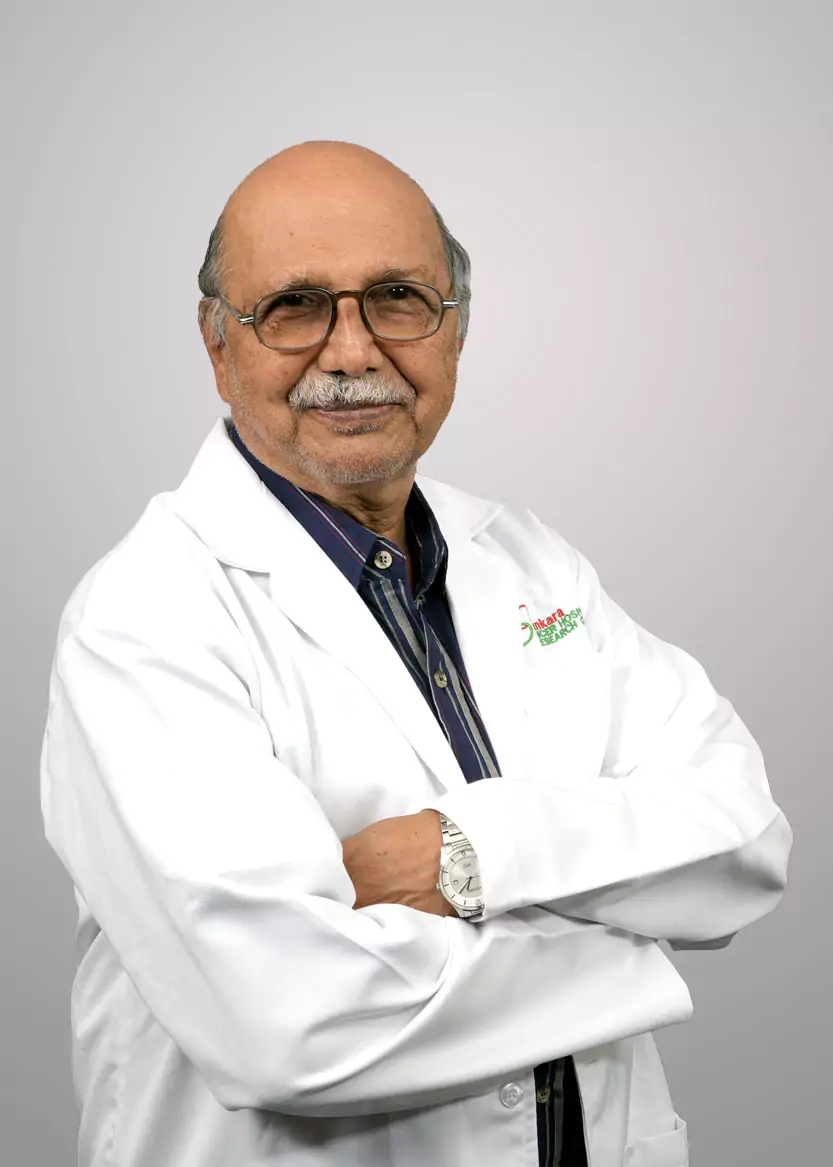
MBBS, MD-General Medicine (Jun 1976), DM Cardiology (Sep 1993)
Senior Consultant & HODCardiology

MBBS, Post Graduate Diploma in Clinical Cardiology (Sep 2010), Post Graduate Diploma in Diabetology (June 2008)
Senior ConsultantCardiology
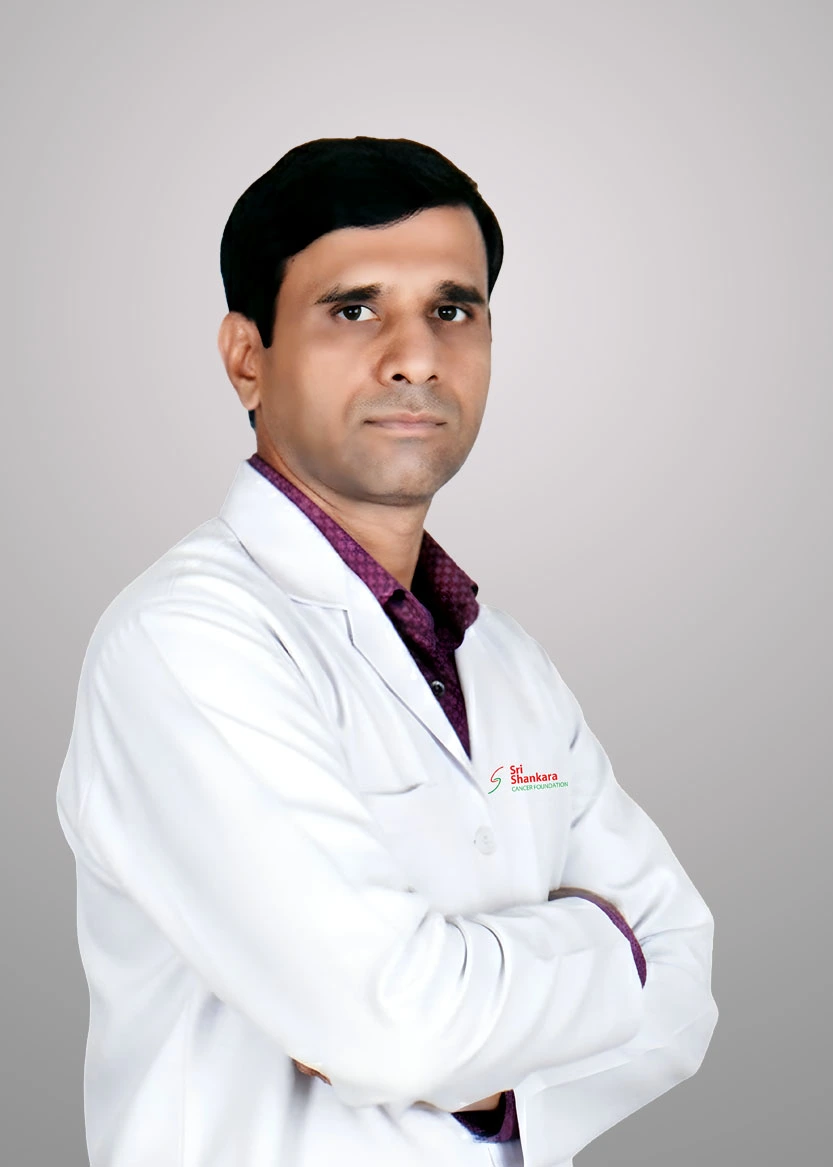
MBBS, MD-General Medicine, Post Graduate Diploma in Clinical Cardiology (Jun 2015)
Visiting ConsultantCardiology