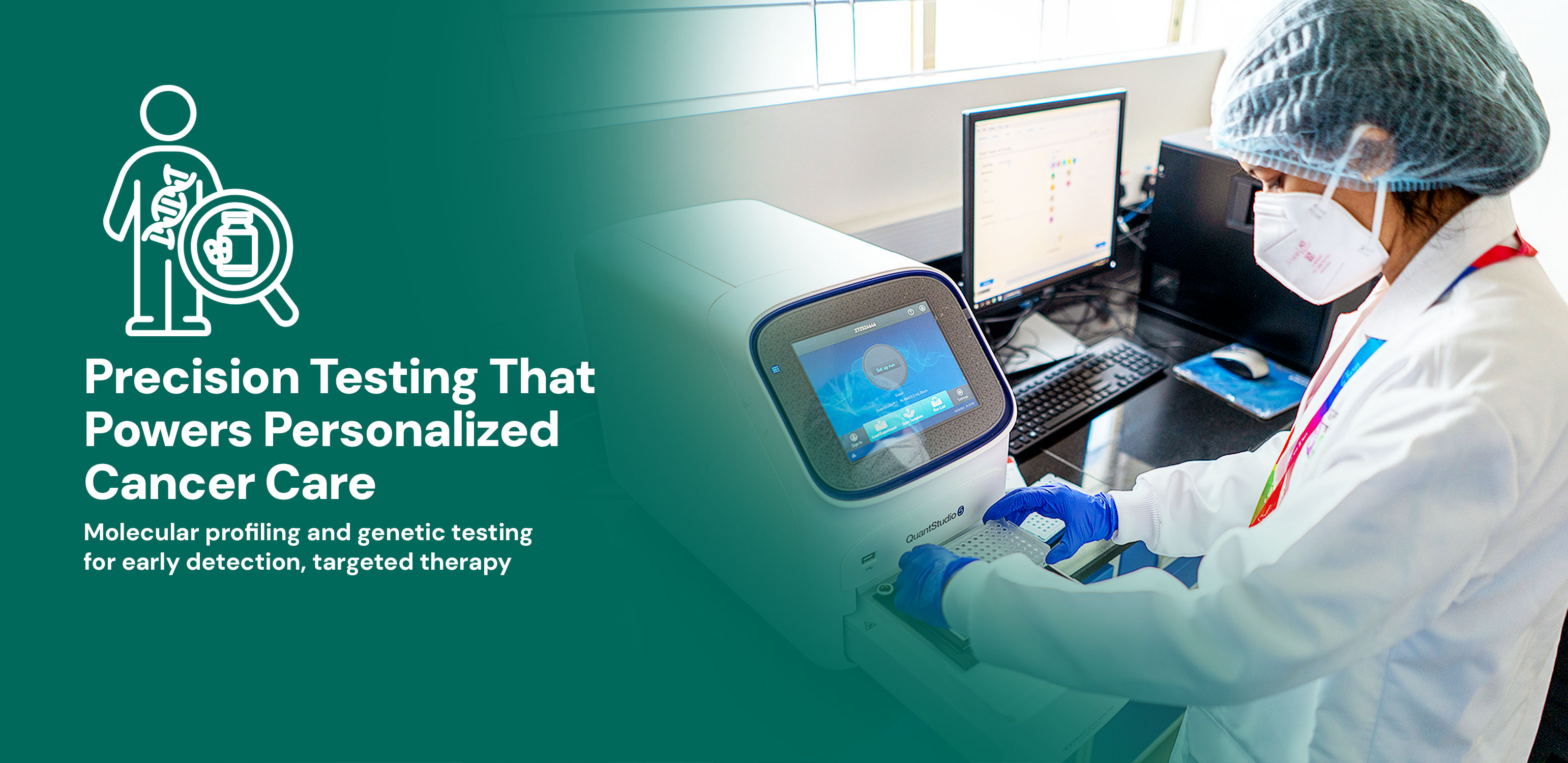
Our Molecular Diagnostics Department is NABL accredited, ensuring the highest standards of quality and precision in diagnostic services.
The Department of Molecular Oncology & Precision Medicine at SSCHRC represents a paradigm shift in cancer care—integrating cutting-edge molecular diagnostics and translational research to deliver truly personalized cancer treatment. As a quaternary care referral center, we are committed to advancing precision oncology through comprehensive molecular profiling, biomarker-driven therapeutic strategies, and translational research that bridges bench to bedside.
Our mission is threefold: to provide state-of-the-art molecular diagnostic services that guide clinical decision-making, to establish a world-class translational research program anchored by a comprehensive biorepository, and to generate knowledge that transforms our understanding of cancer biology and therapeutic resistance.
Our NABL-accredited molecular diagnostics laboratory offers comprehensive molecular profiling services across multiple technology platforms, serving as the cornerstone of precision oncology at SSCHRC.
Comprehensive tumor profiling including targeted gene panels, whole exome sequencing, and transcriptome analysis for actionable mutations and therapeutic biomarkers.
Circulating tumor DNA (ctDNA) analysis for minimal residual disease monitoring, treatment response assessment, and resistance mutation detection.
Hereditary cancer syndrome panels covering BRCA1/2, Lynch syndrome, and over 80 cancer predisposition genes.
Germline variants affecting drug metabolism to optimize therapeutic dosing and minimize toxicity.
PCR based Mutation testing for multiple genes like EGFR, RAS family and POL- E.
Multi-parameter immunophenotyping for hematological malignancies with comprehensive aberrancy detection.
Chromosomal aberration analysis and fusion gene detection across solid and liquid tumors.
Protein biomarker discovery, metabolomic profiling, and tissue imaging mass spectrometry for spatial molecular characterization.
Tumor heterogeneity analysis and clonal evolution studies.
Our translational research initiative is designed to accelerate the translation of laboratory discoveries into clinical applications, with a focus on understanding the molecular mechanisms driving cancer initiation, progression, therapeutic resistance, and metastasis.
Our comprehensive biorepository is the foundation of our translational research program, designed to international standards and operated under stringent ethical and regulatory frameworks:
Matched tumor tissue, adjacent normal tissue, blood (plasma, serum, buffy coat), and serial biopsies with comprehensive clinical annotation.
Tissue processing within 30 minutes of surgical excision, cryopreservation at -80°C and liquid nitrogen storage, quality-controlled nucleic acid extraction.
Longitudinal clinical data including treatment history, response assessments, imaging, and patient outcomes linked to biospecimens.
High-performance computing infrastructure for multi-omics data analysis.
Custom bioinformatics pipelines for variant calling, pathway analysis, and biomarker discovery.
Machine learning and AI-driven predictive modeling for clinical outcomes.
Integration with national and international cancer genomics consortia.
SSCHRC is embedded within a global ecosystem of cancer research excellence:
Leading contributor generating comprehensive multi-omics data from diverse Indian cancer cohorts to establish ancestry-specific genomic landscapes.
Active collaborations with Indian Institute of Science, St. John's Research Institute, National Institute of Biomedical Genomics (Kolkata), and Institute of Genomics and Integrative Biology (New Delhi).
Research partnerships with Institute of Cancer Research (UK), University of Nottingham, Mayo Clinic, USA and other leading global cancer centers.
Collaborative research and clinical trial participation with pharmaceutical and biotechnology companies.
The department serves as a training hub for the next generation of cancer researchers and precision medicine specialists:
Integrated doctoral training in molecular cancer biology and translational research.
Molecular pathology and precision oncology training for clinicians.
Regular workshops, seminars, and symposia on advances in molecular diagnostics and precision medicine.
Intensive on ground training internships for Life Science grads and Bioinformatics students.
The Department of Molecular Oncology & Precision Medicine is committed to:
Making advanced molecular diagnostics accessible across socioeconomic strata.
Developing novel therapeutic strategies based on molecular insights from our biobank.
Leveraging AI for pattern recognition in multi-omics data and clinical decision support.
Expanding non-invasive monitoring capabilities for early detection and treatment response.
Moving beyond genomic profiling to incorporate functional testing of patient-derived models.
We welcome collaborative research opportunities, clinical trial partnerships, and translational research initiatives aligned with our mission to transform cancer care through precision medicine.
Department of Molecular Oncology & Precision Medicine
Sri Shankara Cancer Hospital and Research Center
Advancing Precision Oncology Through Innovation & Collaboration
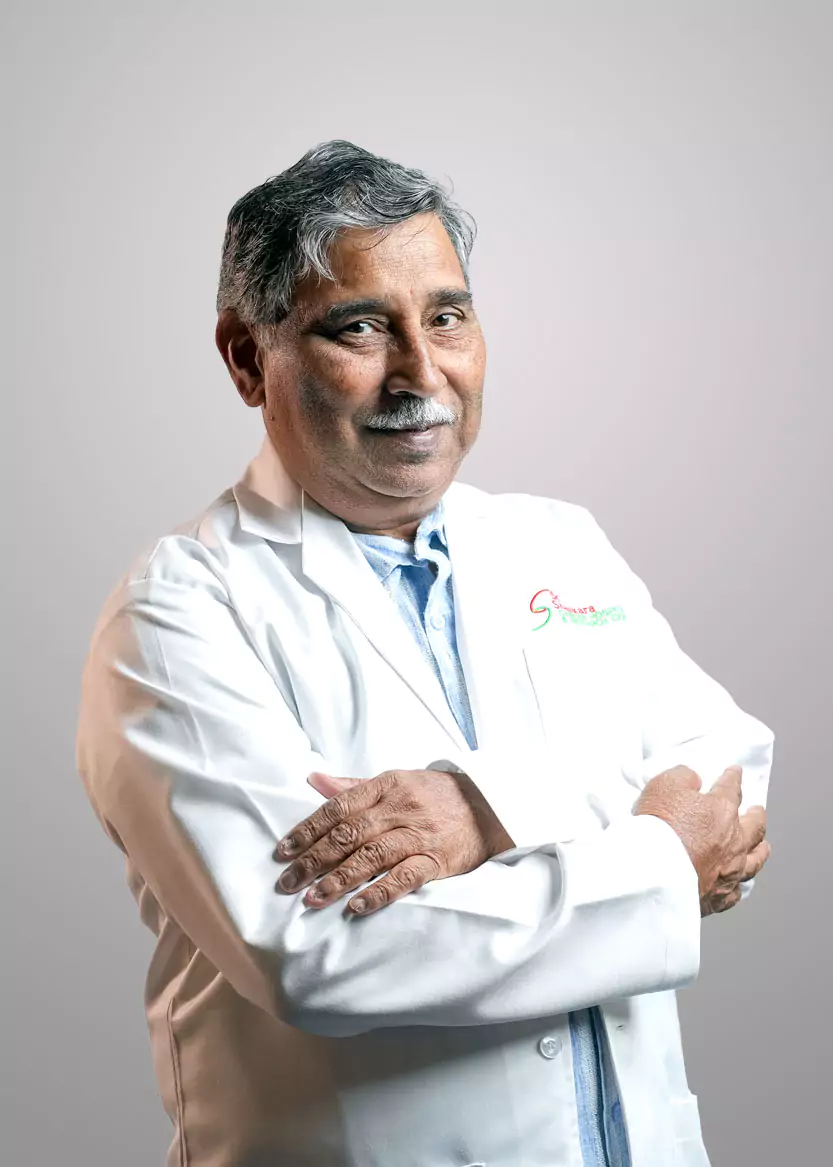
MSc - Genetics (1977), Ph.D - Genetics (1982)
AdvisorMolecular Diagnostics & Research
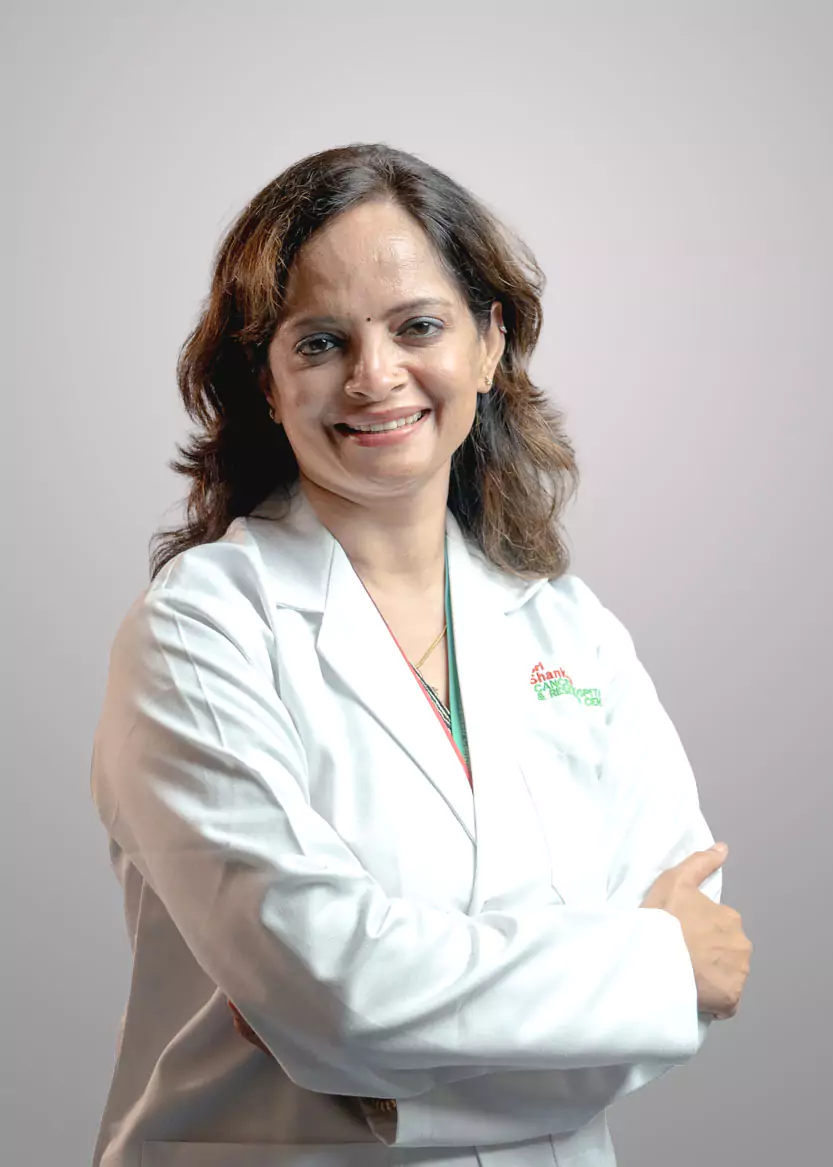
MSc - Microbiology (1998), Ph.D (2015), PGD - Molecular Genetics (2001)
Principal ScientistMolecular Oncology
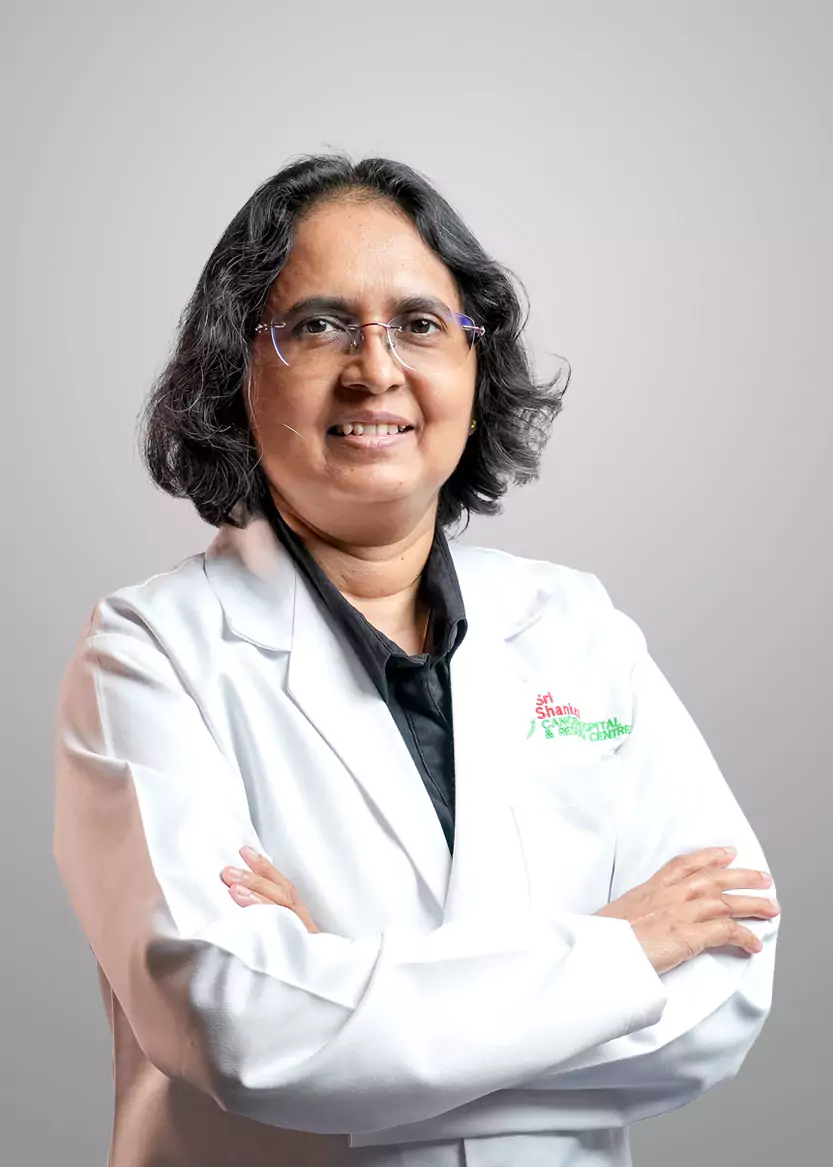
MSc - Biochemistry, Ph.D - molecular Oncology (2013), Postdoctoral Fellow (Molecular Oncology)
Senior ScientistMolecular Oncology
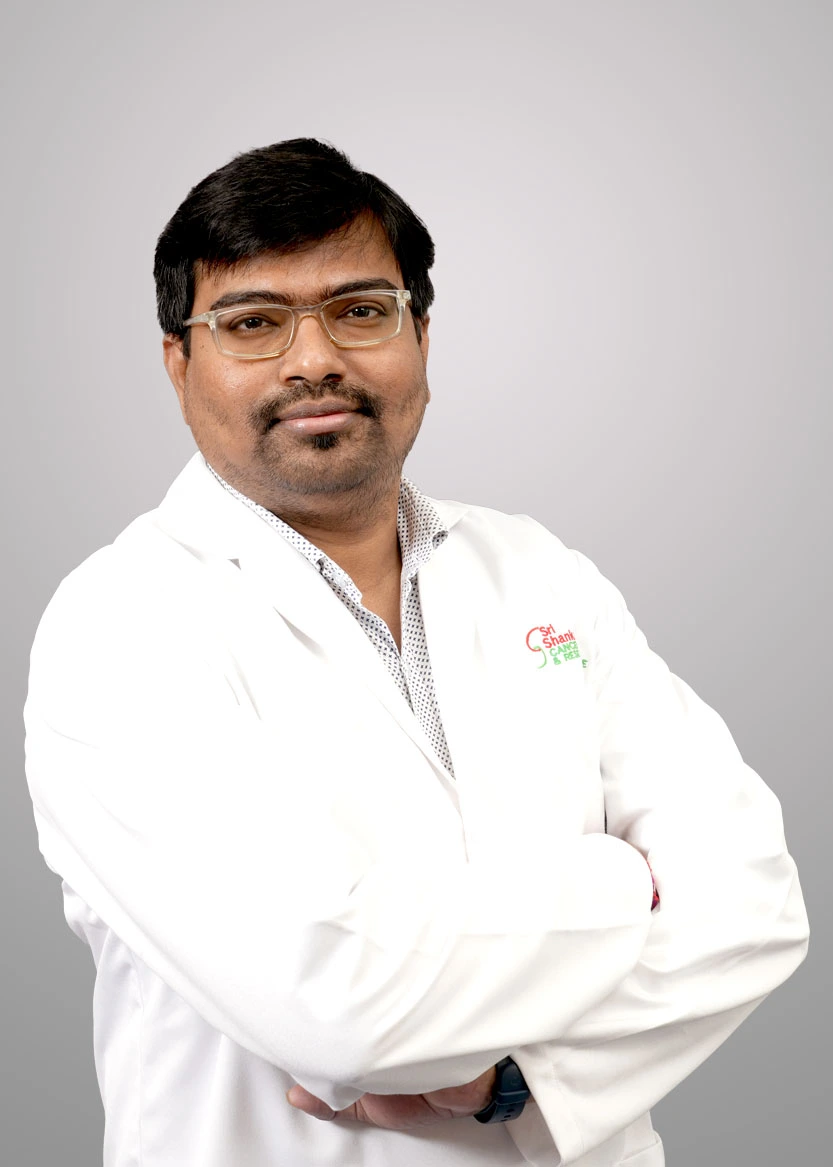
M.Sc (Biotechnology), PhD (Biochemistry & Molecular Biology)
Post Doctoral ScientistMolecular Diagnostics & Research
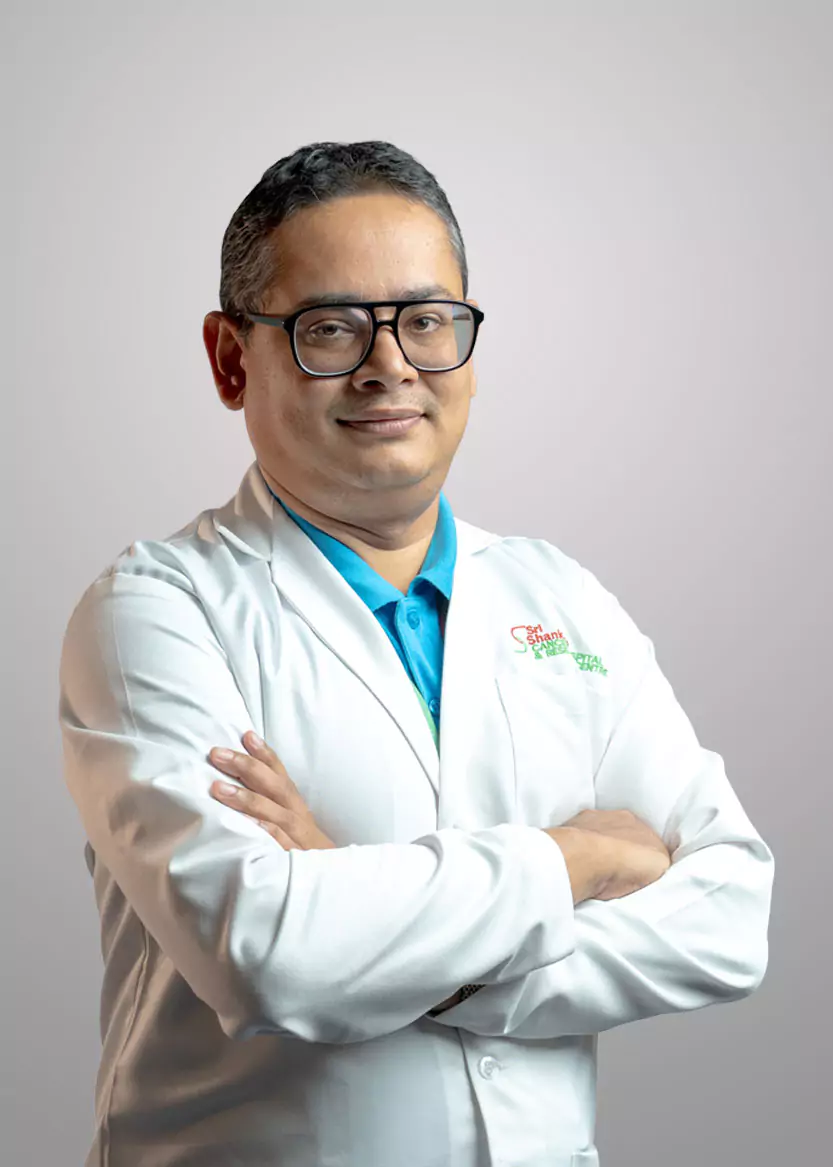
MSc - Microbiology (2004), PhD - Molecular Microbiology (2012)
Post Doctoral ScientistMolecular Diagnostics & Research
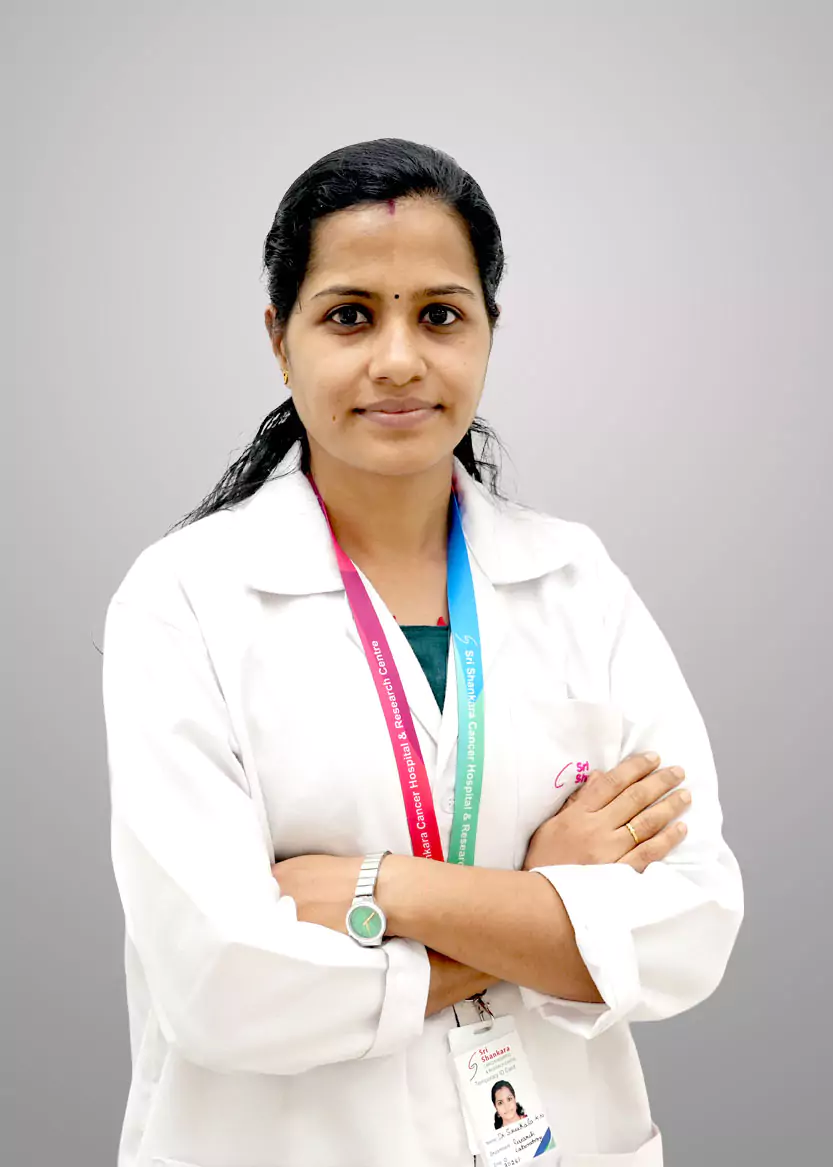
MSc - Biochemistry (2009), PhD (Feb 2021)
Post Doctoral ScientistMolecular Research and Diagnostics
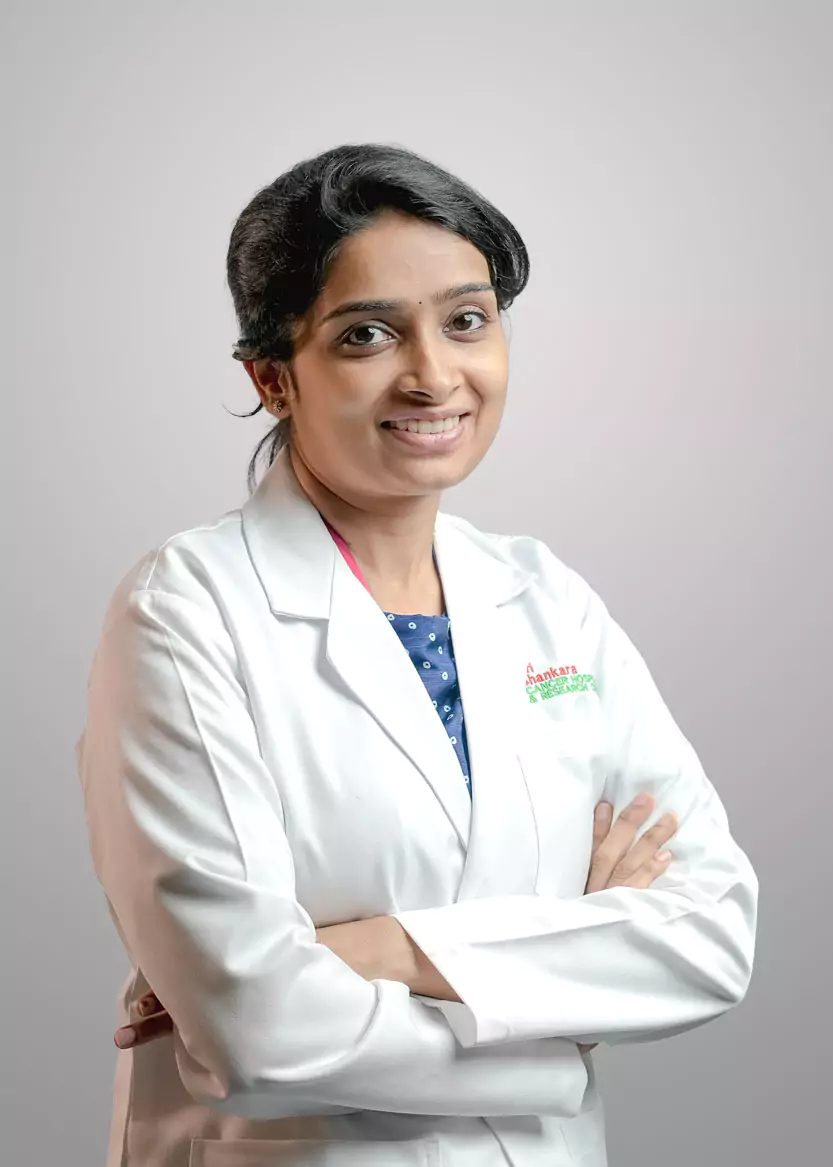
MBBS, MD - Pathology (2016) | Research Pathologist
Molecular Diagnostics & Research
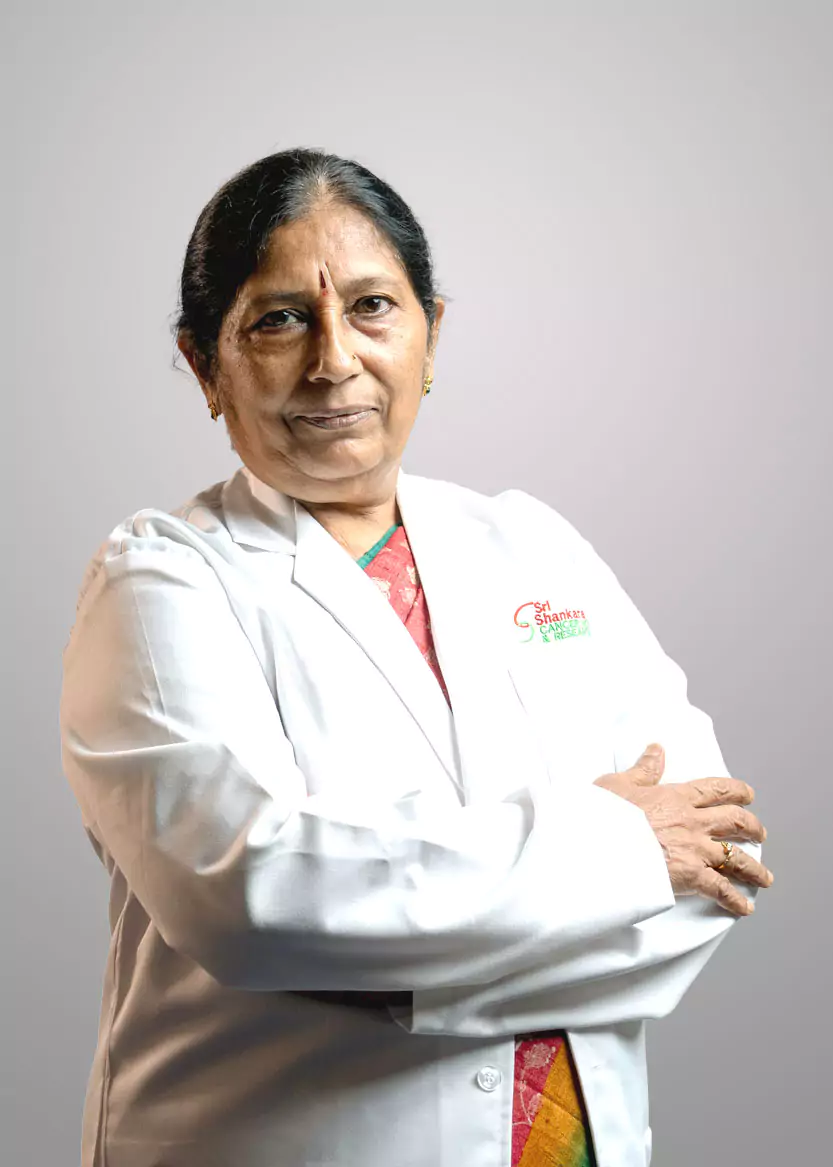
MSc - Zoology (1982), Ph.D - Mammalian Cytogenetics (1990)
Senior ScientistMolecular Diagnostics & Research
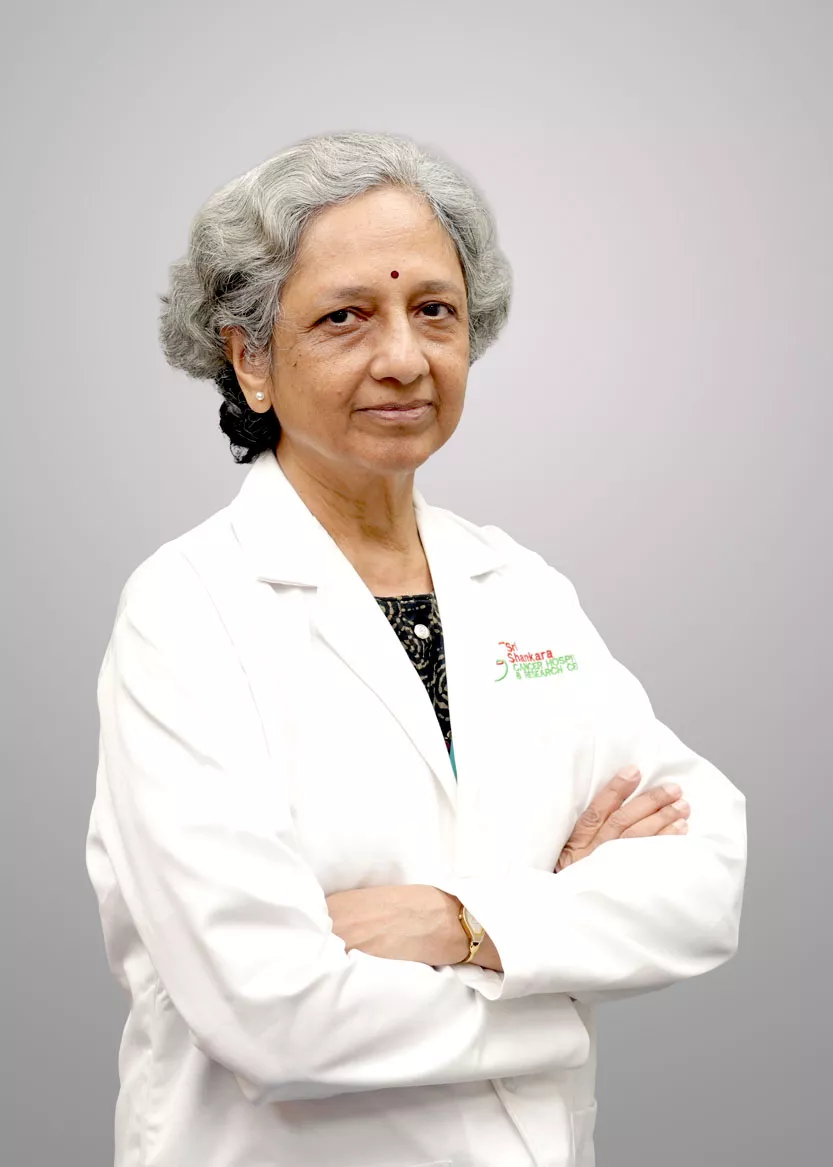
MBBS, MD - Microbiology (Jan 1994), Diploma in Medical Virology (1997)
Senior ScientistMolecular Research and Diagnostics
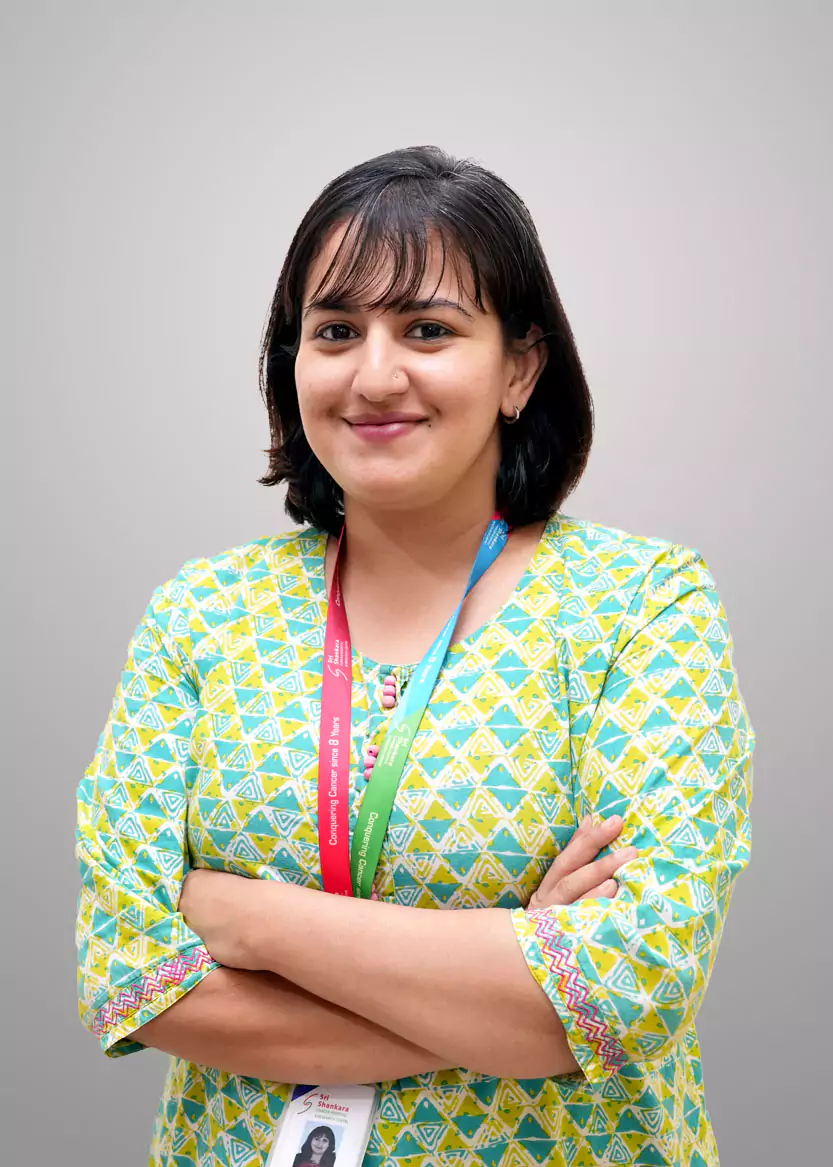
MSc - Genetic Counselling (2010), PGD in Counselling Psychology
Visiting Consultant & GeneticistMolecular diagnostics & research