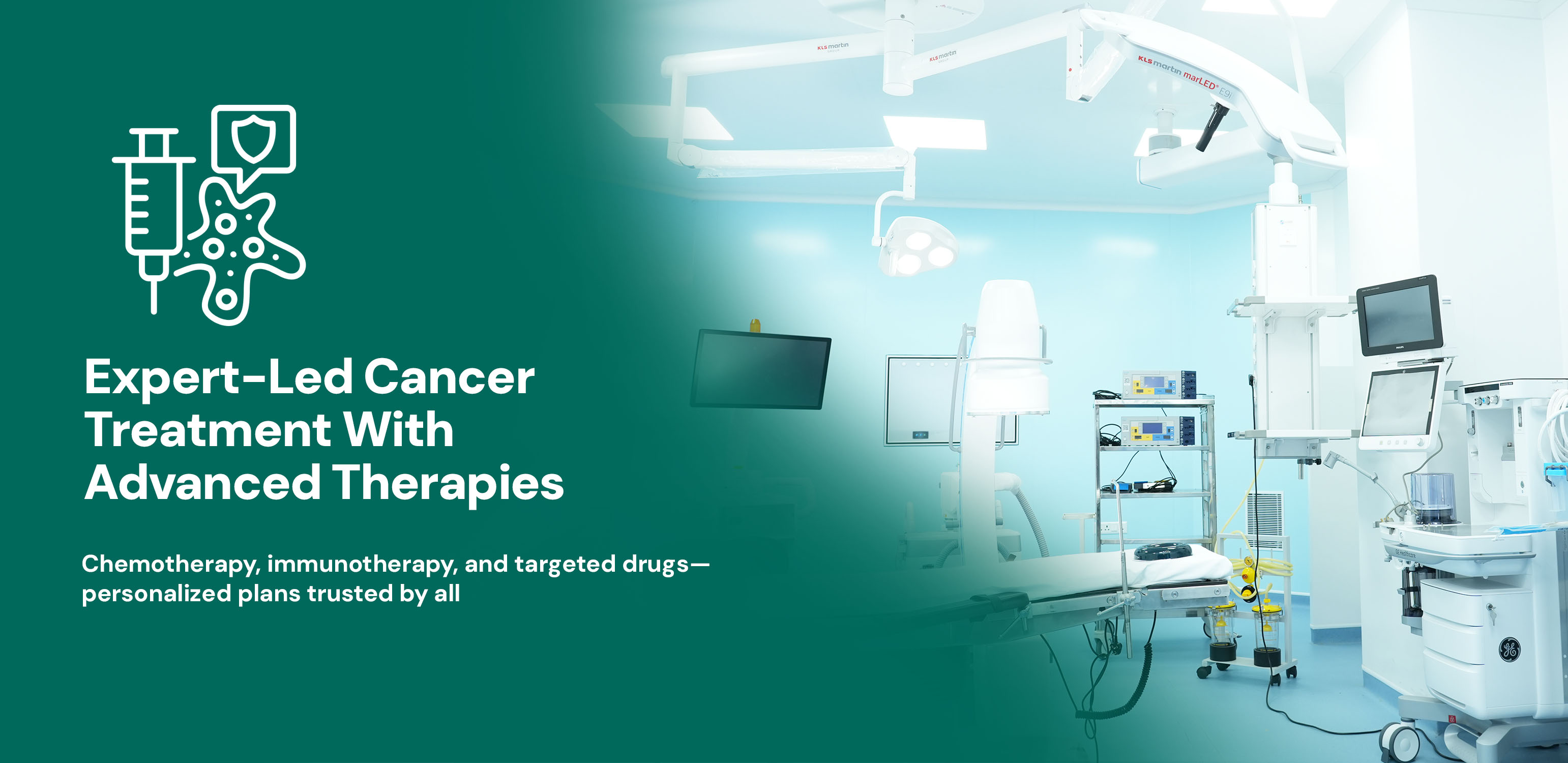
The Medical Oncology Department is the nexus of systemic cancer treatment, specializing in cutting-edge drug therapies to fight cancer throughout the body. Our expert medical oncologists develop personalized treatment plans utilizing Chemotherapy, Immunotherapy, Targeted Therapy, and Precision Medicine. We integrate world-class research and clinical trials to offer our patients the safest, most advanced, and most hopeful treatment options available today.
The Medical Oncology Department provides compassionate clinical care while coordinating the systemic management of your cancer. Our mission is to integrate outstanding cancer research with clinical practice, translating groundbreaking scientific discoveries into direct patient benefits—a philosophy often referred to as "bench to bedside and back."
Our medical oncologists are not just experts in administering medication; they are deeply knowledgeable about the genetics and molecular biology of cancer. They lead your care team, determining the most effective systemic approach for your specific disease, whether the goal is eradication, control, or symptom relief. This department serves as the central hub, ensuring that all aspects of your treatment—including surgery, radiation, and supportive care—are harmonized for the best possible outcome, guided by the authoritative standards.
Our department specializes in a range of systemic therapies, which use drugs or biological agents to treat cancer cells throughout the body. The goal is to maximize tumor response while minimizing side effects.
Requires genomic sequencing to identify specific molecular targets (mutations, proteins) unique to your tumor. Targeted drugs (like small molecule inhibitors or ADCs) are then precisely matched to interfere with these growth pathways.
Custom-Fit Medication: We test your tumor's DNA to find its specific weaknesses. We then choose drugs that act like smart bombs, targeting only the cancer's unique flaws, which often means fewer side effects than traditional chemo.
Utilizes Immune Checkpoint Inhibitors to activate or unleash the patient's own immune system (T-cells) to recognize and destroy cancer cells.
Harnessing Your Immunity: Instead of attacking the cancer directly, this treatment wakes up your body's own defense system to fight the cancer. It's a powerful, long-lasting way to teach your immunity to find and kill cancer cells.
The traditional method uses cytotoxic agents to kill rapidly dividing cells. While newer therapies are available, chemotherapy remains a crucial foundational treatment, often used in combination with targeted or immune agents.
Foundation of Treatment: This uses powerful drugs to destroy fast-growing cancer cells. We use the latest protocols, often in combination with modern medicines, to make it as effective and tolerable as possible.
Used for hormone-sensitive cancers (e.g., breast, prostate). This involves agents that block hormones or prevent the body from producing them, thereby starving the cancer cells of essential growth signals.
Blocking Growth Signals: For cancers that rely on hormones (like estrogen or testosterone) to grow, we use medications to block those signals, essentially cutting off the cancer's food supply.
Our commitment to integrating clinical care with transformative research sets our department apart, providing patients with access to therapies before they become widely available.
As an academic center, we are actively engaged in groundbreaking clinical research. This provides our patients early access to novel therapeutics.
Our clinicians are involved in laboratory research and vice versa. This tight integration means your oncologist has a deep understanding of the molecular basis of your disease, enabling them to make treatment decisions based on the most current scientific knowledge, not just standard textbooks.
Our clinical divisions are led by specialists who are recognized national and international experts in their fields (e.g., GI, Lung, Breast, Hematologic Malignancies).
Every complex case is reviewed weekly twice, in a multidisciplinary tumor board meeting. Your medical oncologist, surgeon, radiation oncologist, and pathologist collaborate to craft a unified, consensus-based treatment strategy that adheres to stringent global standards (NCCN, ESMO).
Our team works closely with Supportive Care specialists to proactively manage side effects and maintain quality of life throughout treatment, addressing the entire patient, not just the disease.
We uphold the highest standards of safety in drug administration and monitoring, ensuring that every treatment step is precise, secure, and delivered with compassionate oversight.
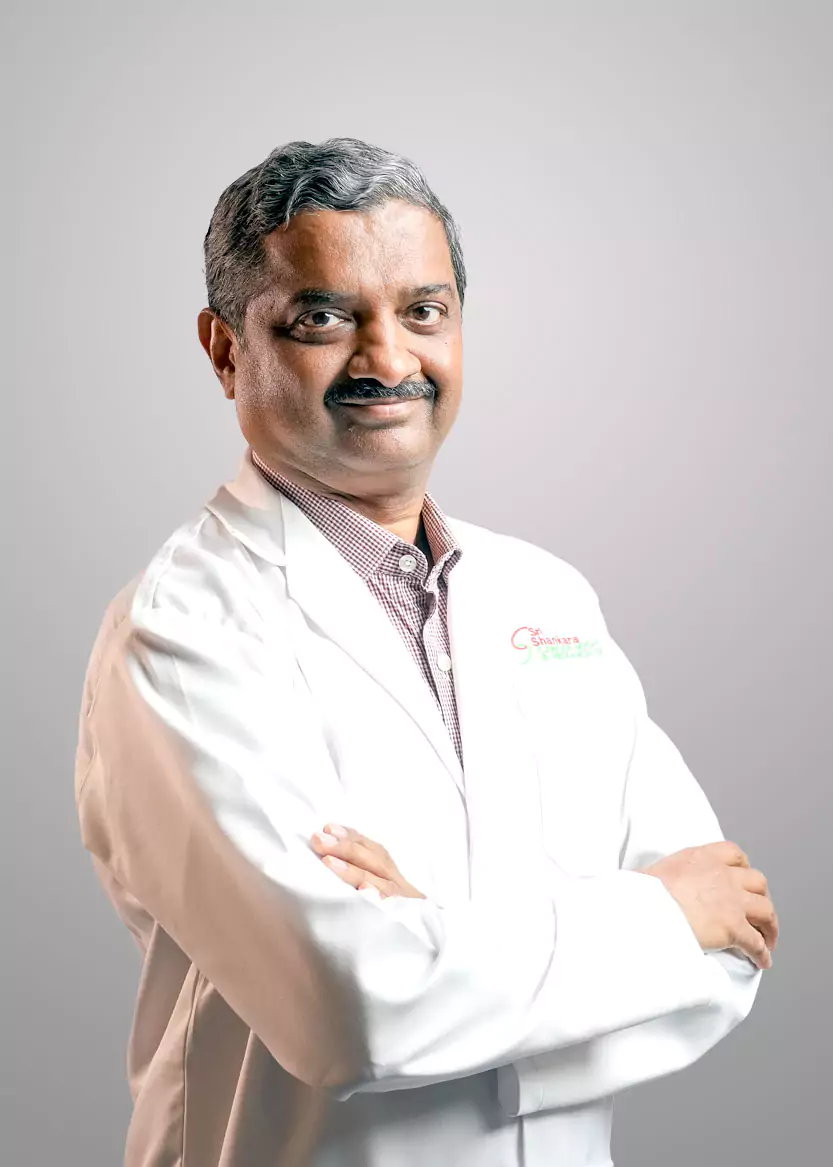
MBBS, MD-General Medicine (1993), DM - Medical Oncology (1996)
Senior ConsultantMedical Oncology
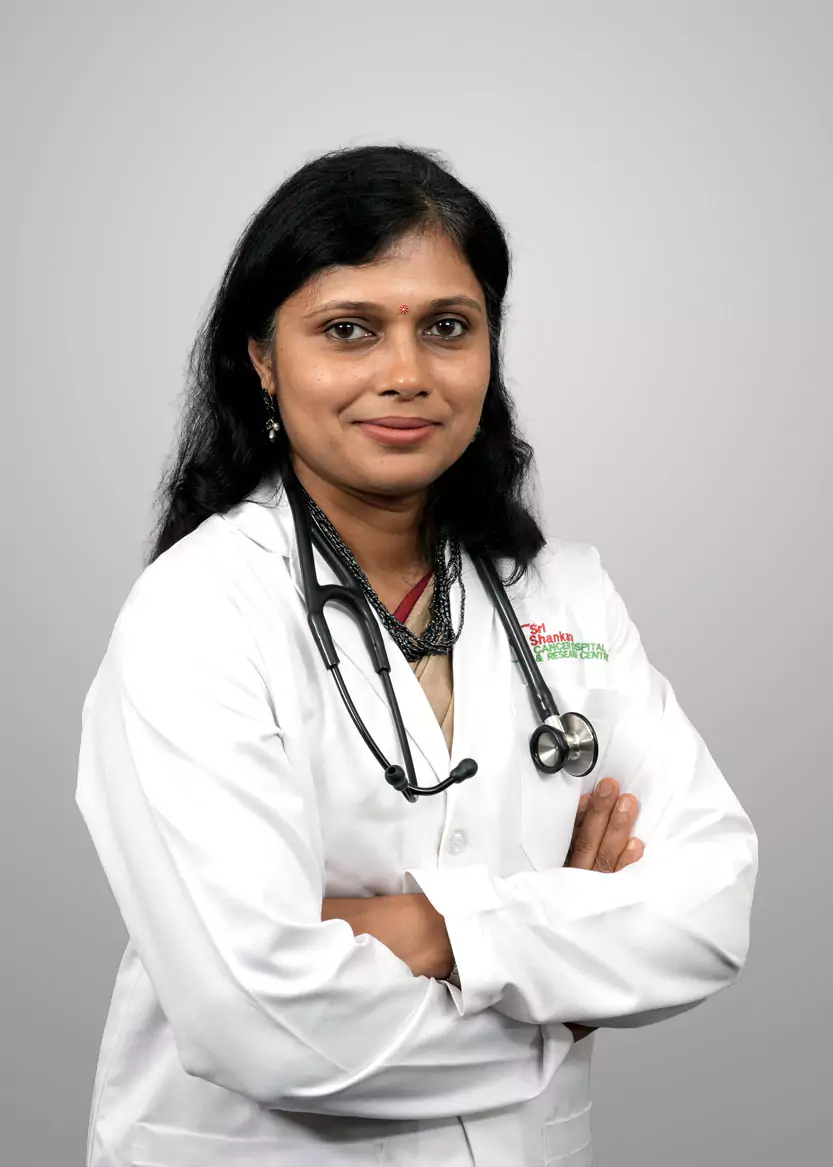
MBBS, MD-General Medicine (June 2009), DM - Medical Oncology (July 2014) | HOD, Senior Consultant
Medical Oncology
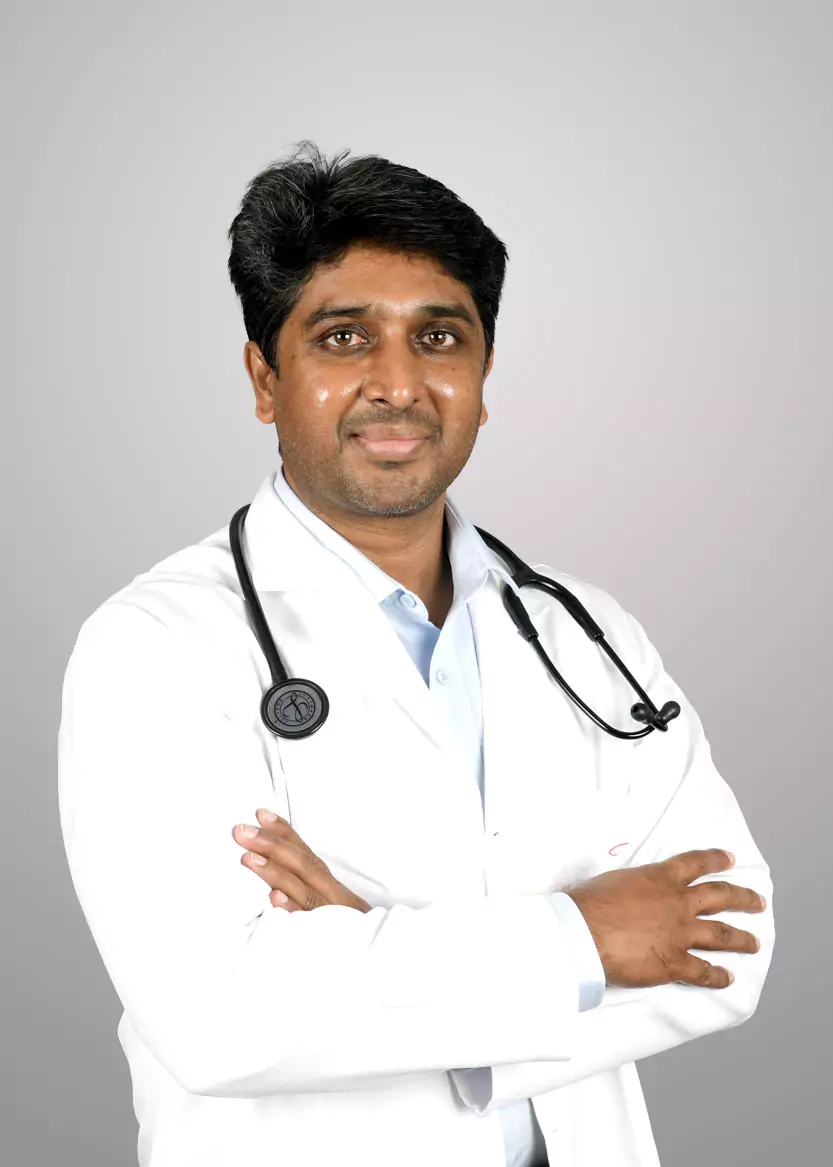
MBBS, MD-Paediatrics (2010), DM - Medical Oncology (2016), ESMO - Medical Oncology (2016)
Senior ConsultantMedical Oncology
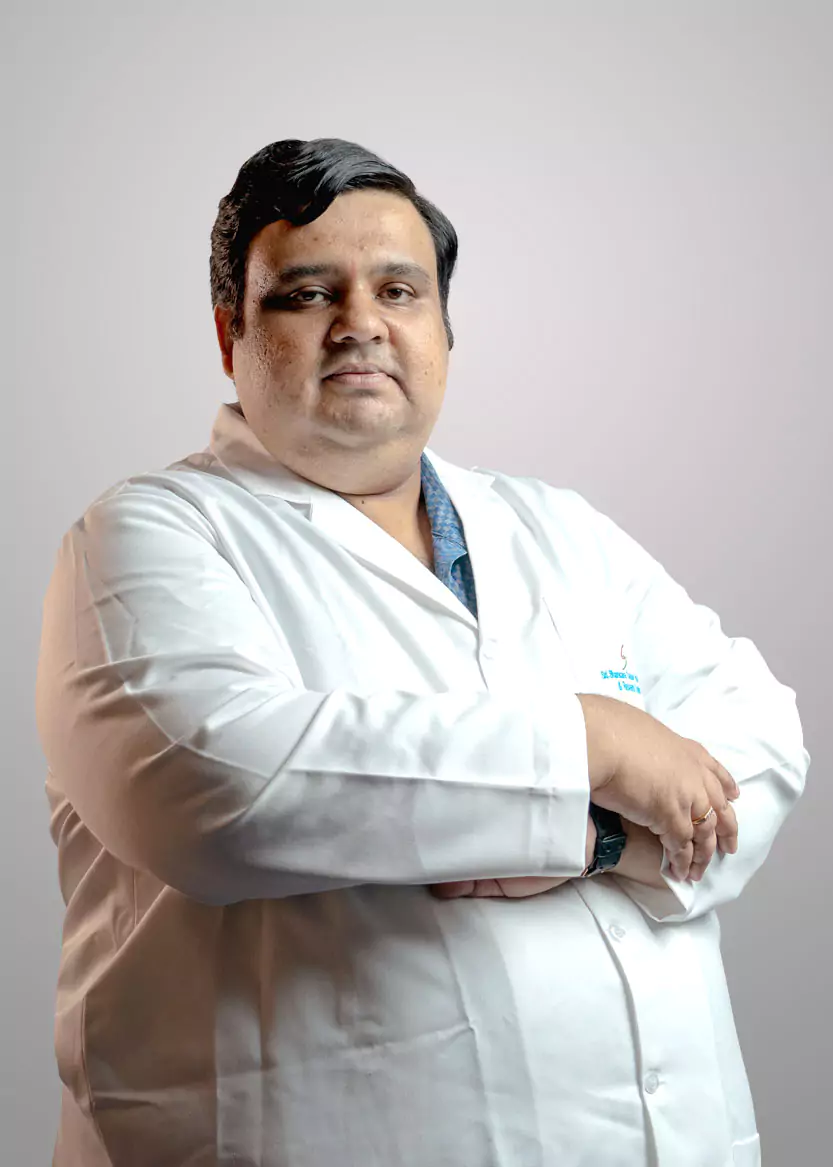
MBBS, MD - Radiotherapy (Dec 2012), DM - Medical Oncology (July 2019), Post Graduate Diploma in Medical Law & Ethics (2014)
ConsultantMedical Oncology
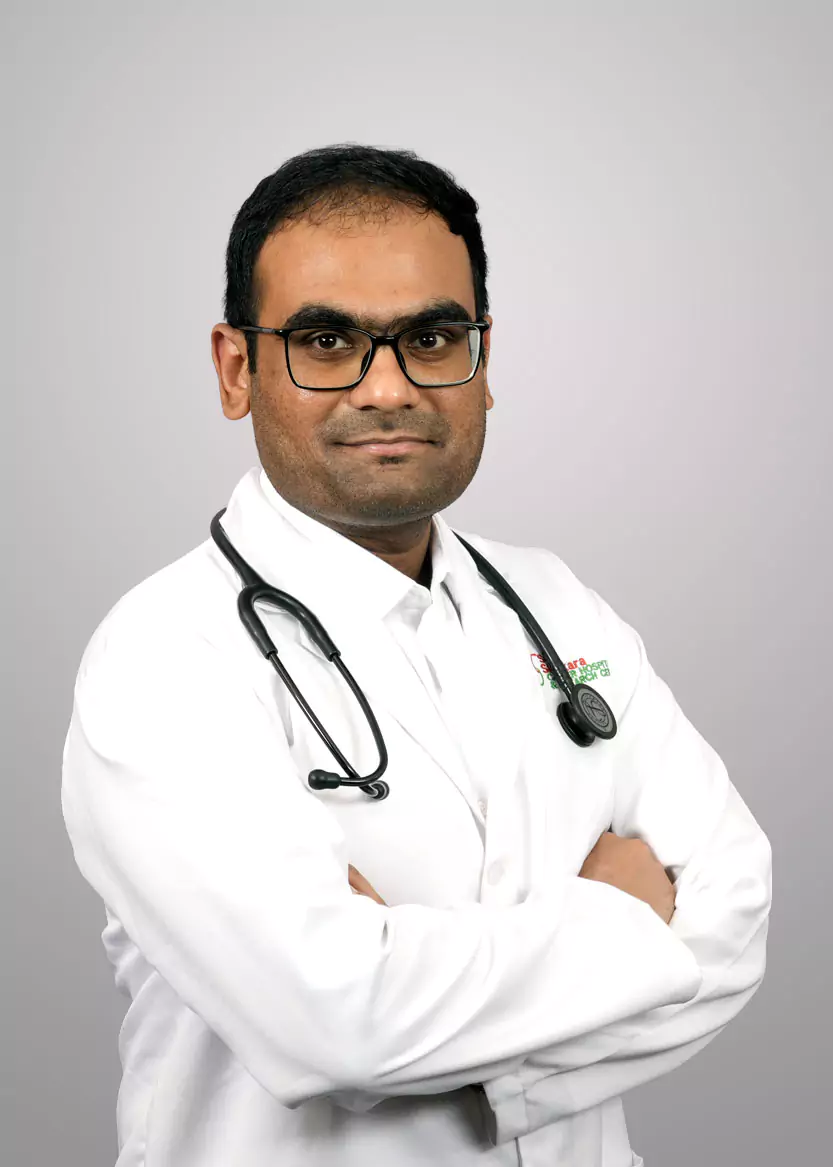
MBBS, DNB - General Medicine (2019), DrNB - Medical Oncology (2023)
ConsultantMedical Oncology
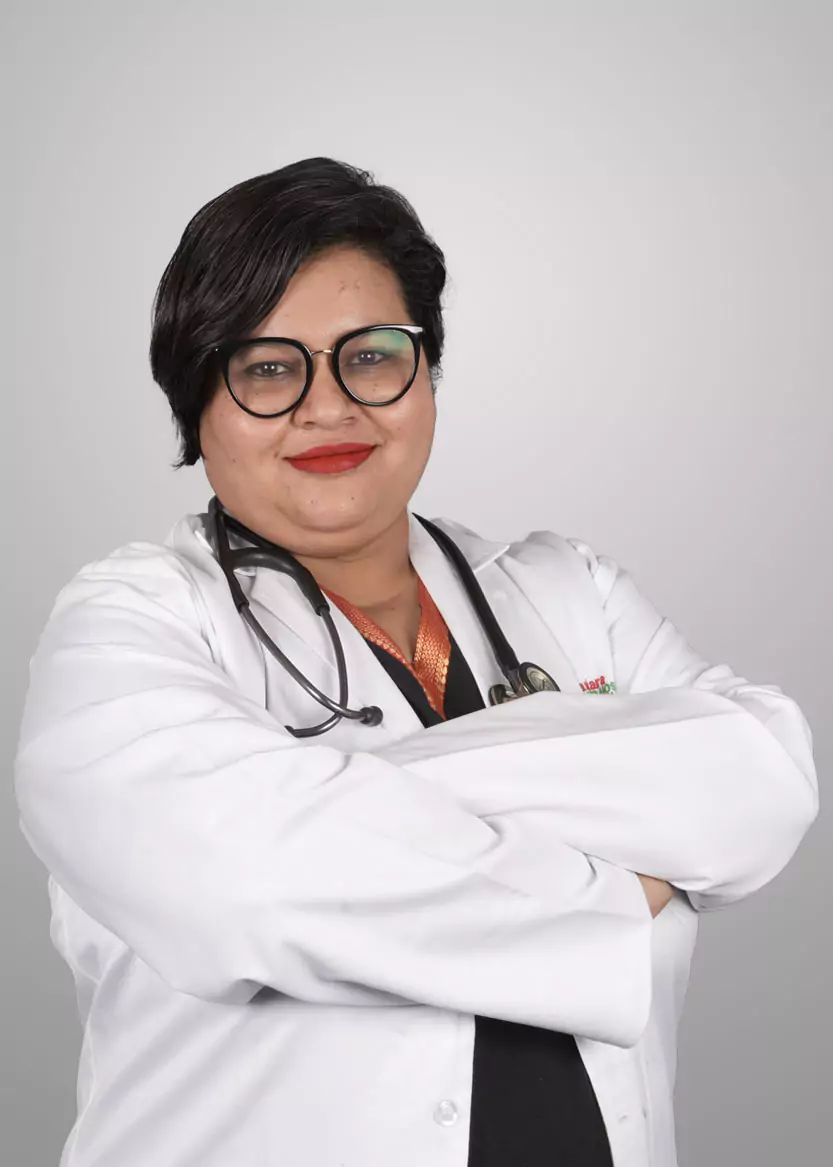
MBBS, MD-General Medicine (2019), DM - Medical Oncology (2025)
Junior ConsultantMedical Oncology
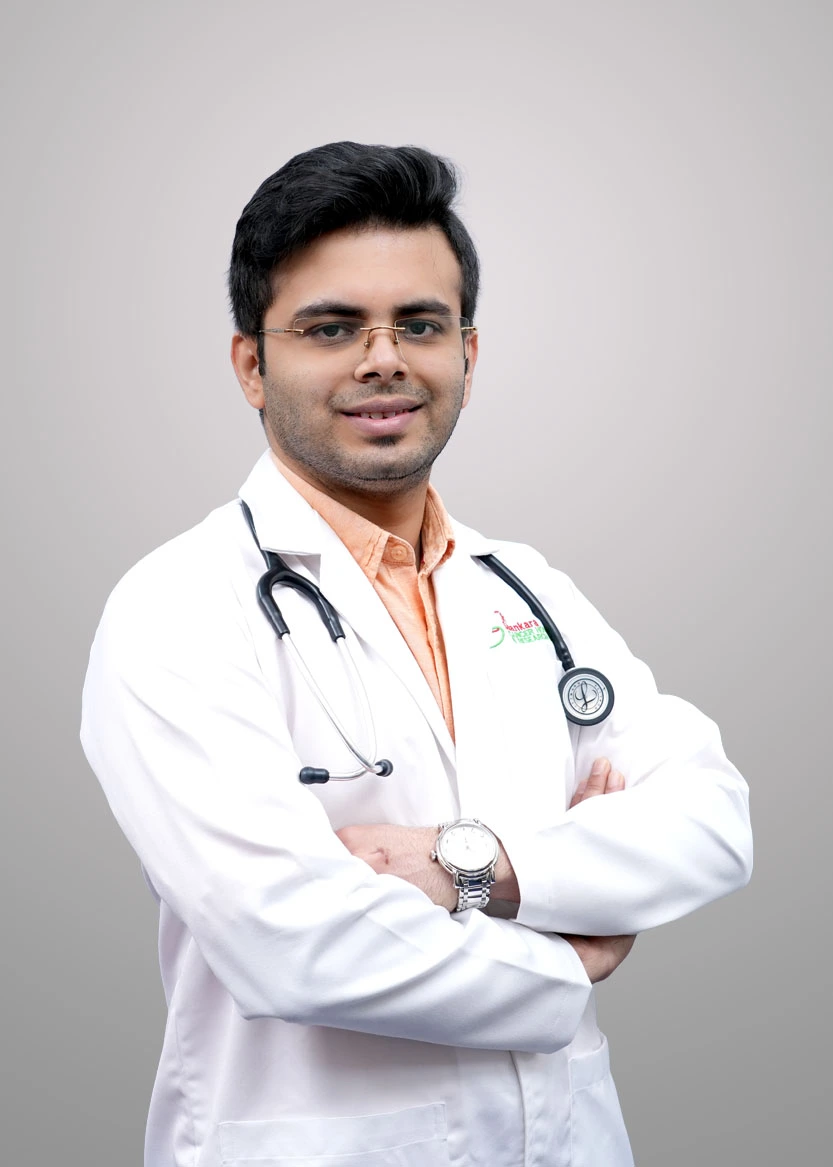
MBBS, MD-General Medicine (July 2021), DNB - General Medicine (June 2021), DM - Medical Oncology (Nov 2025)
Junior ConsultantMedical Oncology

MBBS, MD-General Medicine (1986), DM - Medical Oncology (1995)
Visiting ConsultantMedical Oncology