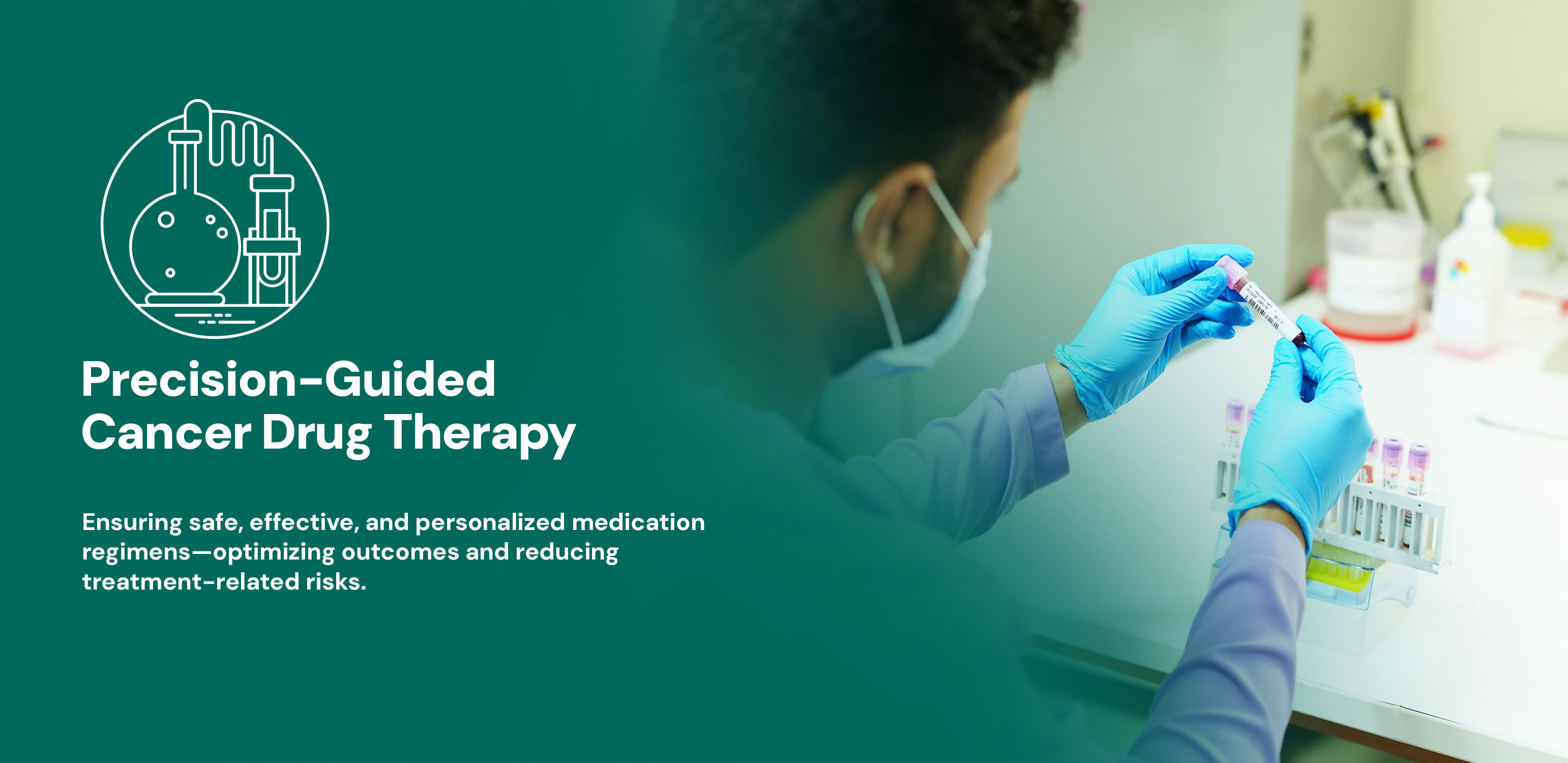
The Clinical Pharmacology Department is essential for Precision Oncology, specializing in understanding how cancer drugs interact with the body to ensure they are both effective and safe. Our experts utilize advanced testing like Pharmacogenomics (PGx) and Therapeutic Drug Monitoring (TDM) to personalize drug dosages based on each patient's unique metabolism. This scientific approach minimizes harmful side effects, prevents dangerous drug-drug interactions, and guarantees that every patient receives the optimal, evidence-based dose of chemotherapy, Targeted Therapy, or Immunotherapy.
Clinical Pharmacology is the bridge between pharmaceutical science and patient care. In oncology, its primary function is to optimize the pharmacokinetics (what the body does to the drug) and pharmacodynamics (what the drug does to the body) of cancer treatments. This specialization is crucial in oncology due to the narrow therapeutic window of many cytotoxic and targeted agents.
We analyze how quickly your body absorbs, distributes, breaks down, and eliminates cancer medications. This allows us to adjust standard dosages, ensuring the drug concentration is high enough to kill cancer cells without being so high that it causes severe toxicity.
We proactively identify and mitigate the risk of serious side effects and toxicities, particularly those related to drug metabolism issues or complex drug-drug interactions (DDI), which are common when patients take multiple medications for cancer and other chronic conditions.
We are integral to the success of advanced treatments, guiding the safe use and dosing of new Targeted Agents and Immunotherapies during both standard care and clinical trials.
Our services focus on applying rigorous scientific methods and testing technologies to tailor your medical treatment.
Genetic testing that analyzes specific DNA variants (polymorphisms) that encode drug-metabolizing enzymes (e.g., CYP450). This determines how quickly or slowly an individual metabolizes key drugs, guiding personalized dose adjustments to reduce toxicity risk.
DNA-Guided Dosing: We analyze your DNA to see how quickly your body breaks down medication. If you're a slow metabolizer, we lower the dose to prevent toxic side effects. This genetic testing ensures the medicine is safe and effective just for you.
Measurement of drug concentrations in the patient's blood plasma at specified intervals. This real-time testing is used to fine-tune the dosage of drugs with narrow therapeutic indices (e.g., certain immunosuppressants or chemotherapy agents) to maintain optimal efficacy and safety levels.
Real-Time Drug Check: We take small blood samples to measure the exact amount of medicine circulating in your system. This allows us to adjust your dose immediately, ensuring there's enough medicine to kill the cancer but not so much that it causes bad side effects.
Expert clinical review to predict, detect, and manage interactions between the complex cocktail of cancer drugs (chemotherapy, hormonal, targeted) and other medications (e.g., pain relievers, anti-nausea drugs, supplements) the patient may be taking.
Medication Safety Review: We scrutinize your entire list of medications to ensure none of them are interfering with or cancelling out the cancer drug. We prevent dangerous interactions that could make your treatment toxic or ineffective.
Providing critical Pharmacokinetic (PK) and Pharmacodynamic (PD) analysis for Phase I and Phase II clinical trials. This work determines the safest and most effective dose for new, investigational cancer drugs before they move to larger patient populations.
Pioneering New Drugs: We are the scientists who figure out the safe and effective dosage for brand-new cancer medicines during early-stage trials. Our work is essential for bringing tomorrow's cancer treatments safely to our patients.
Many cancer patients have compromised organ function. Using specialized PK adjustment tools (Cockcroft–Gault, Child-Pugh, CrCl, MELD, etc.), the department can customize chemotherapy / targeted therapy doses safely.
The department offer structured Fellowship programme in Onco Pharmacy post Pharm.D and clinical internships for Pharm.D students in oncology and clinical trials. Interns can be involved in medication review, drug–drug interaction assessment, protocol evaluation, toxicity monitoring, and supportive care medication optimization. Exposure to multidisciplinary tumor boards, ward rounds, chemotherapy preparation units, and palliative care services will help trainees understand real-world oncology practice. This hands-on experience builds clinical decision-making skills and enhances confidence in managing complex oncology drug regimens in a hospital setting.
We are one of the few centers that routinely integrate PGx data into patient charts, moving beyond standard weight-based dosing to provide truly personalized, metabolism-based prescriptions, significantly reducing unpredictable toxicity.
Our expertise ensures that complex, multi-agent chemotherapy and immunotherapy regimens, often dictated by NCCN guidelines, are implemented with maximum effectiveness and minimum risk.
We utilize state-of-the-art laboratory techniques for high-accuracy Therapeutic Drug Monitoring (TDM), supporting the safety of highly sensitive oncology, BMT, and immunosuppressant protocols.
Our faculty are actively involved in research to discover new genetic markers that influence drug response and to develop innovative drug delivery systems, directly linking scientific discovery to improved patient treatment protocols.
Our Clinical Pharmacologists work directly with Medical Oncologists, Surgeons, and Palliative Care teams to manage challenging cases involving severe toxicity, renal or hepatic impairment, and complex polypharmacy (many medications), serving as the ultimate drug safety resource for the entire cancer center.
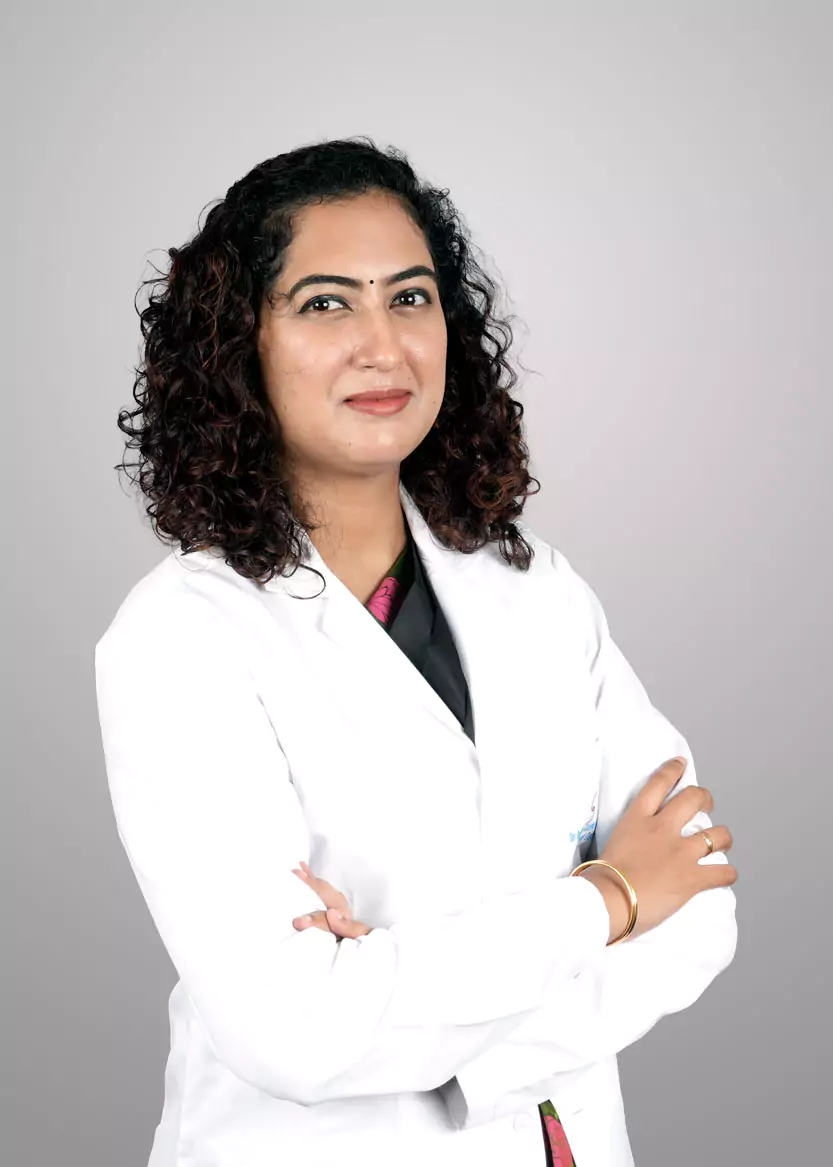
Pharm D (2018), Fellowship in Oncology Pharmacy (2019), PG Diploma in Clinical Research (2020)
Clinical Pharmacologist & HODClinical Pharmacology

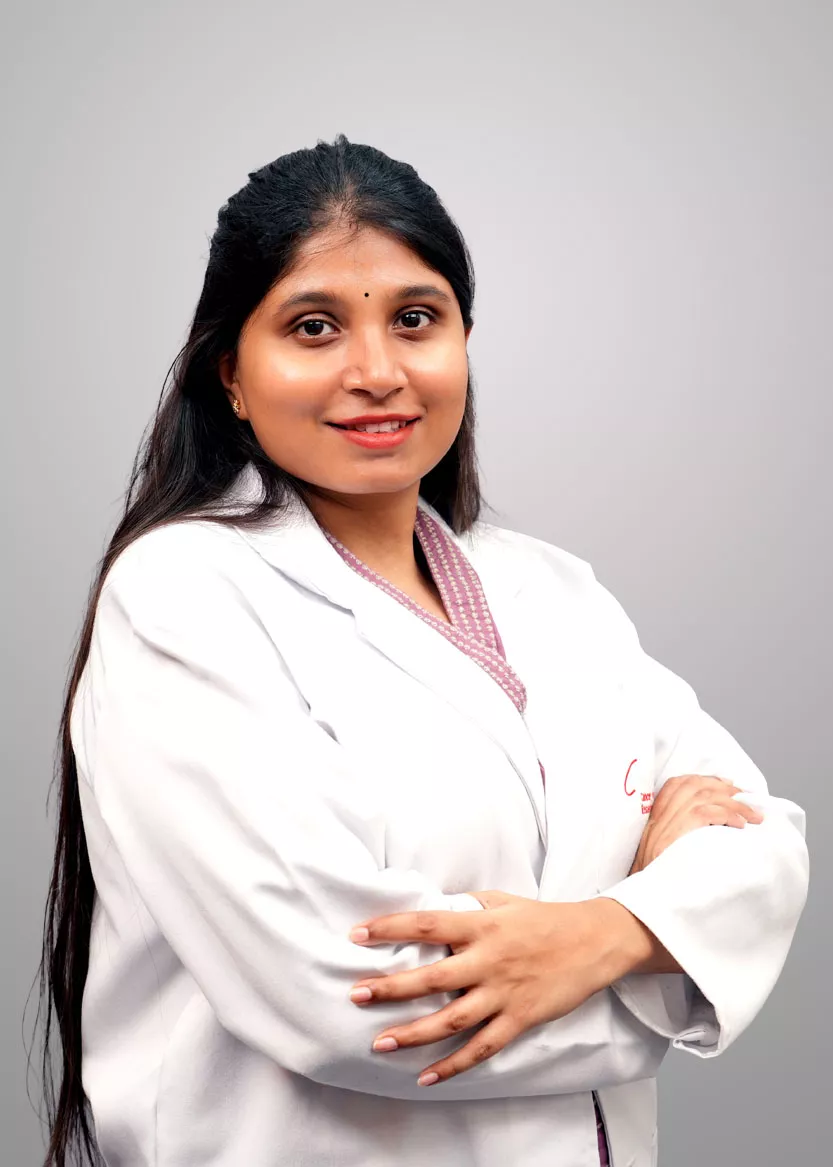
Pharm D (2021), Fellowship in Oncology Pharmacy (2023)
Clinical PharmacologistClinical Pharmacology
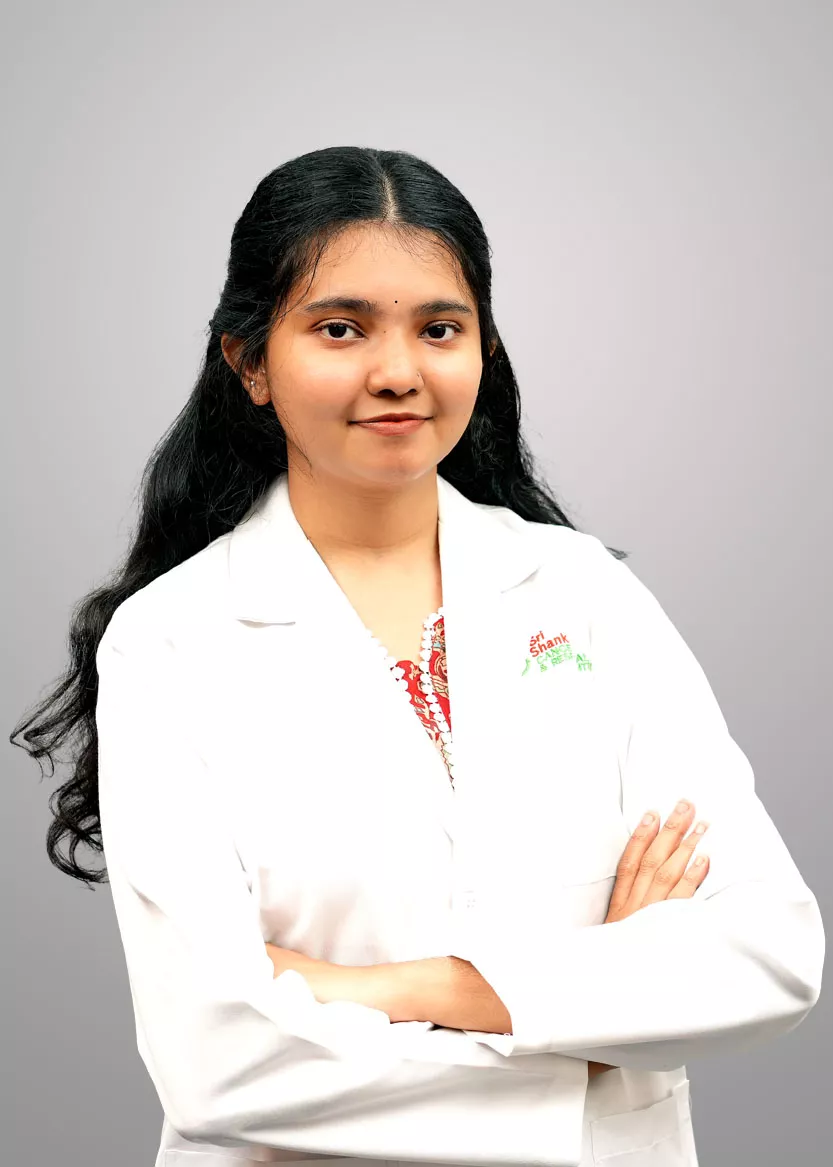
Pharm D (Dec 2024)
Clinical PharmacologistPharmacology
Pharm D (Apr 2024), Fellowship in Infectious Diseases (Apr 2025)
Clinical PharmacologistPharmacology