Genitourinary (GU) cancers affect the urinary tract and male reproductive system, including prostate, kidney, bladder, testicular, and penile cancers. At Sri Shankara Cancer Foundation, our GU Oncology Department provides specialized, multidisciplinary care focused on achieving optimal cancer control while prioritizing preservation of urinary continence, sexual function, and overall quality of life.
Drawing from guidelines by the National Comprehensive Cancer Network (NCCN) and American Society of Clinical Oncology (ASCO), we integrate advanced surgical techniques, systemic therapies, and radiation oncology to tailor treatments for localized, advanced, and metastatic disease.
Our team—led by Dr. Srivatsa Narasimha, comprising urologic surgeons, medical oncologists, radiation oncologists, pathologists, radiologists, and supportive care specialists—collaborates through weekly tumor boards to develop consensus-driven, evidence-based plans. This approach aligns with practices at leading oncology centers across the world, emphasizing personalized medicine, clinical research, and patient-centered outcomes.
We offer a full spectrum of innovative therapies, supported by advanced technology and molecular profiling, to target tumors effectively while minimizing side effects.
Utilizes the da Vinci system for advanced procedures such as Retzius-sparing radical prostatectomy, complex nephron-sparing partial nephrectomy, radical cystectomy with intracorporeal urinary diversion, and nerve-sparing techniques with intraoperative NeuroSAFE frozen-section analysis.
Enhanced precision reduces blood loss and complications; superior preservation of erectile function and continence (up to 90-95% at 1 year in eligible patients); shorter hospital stays (1-3 days) and faster recovery.
Trimodality therapy for muscle-invasive bladder cancer: transurethral resection (TURBT) followed by concurrent chemoradiation. Focal therapies for prostate cancer include high-intensity focused ultrasound (HIFU) and cryotherapy.
Avoids radical surgery in select cases; maintains bladder function and quality of life; 5-year survival rates comparable to cystectomy (70-80% for appropriate candidates).
Immunotherapy (e.g., PD-1/PD-L1 inhibitors for kidney and bladder cancers), targeted agents (e.g., tyrosine kinase inhibitors for renal cell carcinoma), antibody-drug conjugates (ADCs), and hormone therapy. Guided by biomarker testing, including circulating tumor DNA (ctDNA).
Targets specific mutations for durable responses; improves progression-free survival in metastatic disease; fewer side effects than traditional chemotherapy.
Intensity-modulated radiation therapy (IMRT), stereotactic body radiotherapy (SBRT), and brachytherapy, often combined with systemic agents.
Precise tumor targeting spares healthy tissues; effective for localized prostate cancer with low risk of incontinence or impotence.
For low-risk prostate cancer (e.g., Gleason 6), protocols include multiparametric MRI, fusion biopsies, and PSA monitoring. Comprehensive support addresses sexual health, fertility, and psychosocial needs.
Delays unnecessary treatment; preserves function; integrated counseling and rehabilitation improve long-term well-being.
Our program stands out for its innovation, high-volume expertise, and commitment to accessible, high-quality care
Our department is acknowledged as a center of excellence in robotic uro-oncology, attracting consultants from across the country and internationally for year-round observership-based learning of advanced surgical techniques.
We run a globally accredited training program in robotic uro-oncology, available in only a few select centers across India, fostering the next generation of specialists.
Expertise in delivering procedures like Retzius-sparing radical prostatectomy, complex nephron-sparing surgeries, and intracorporeal urinary diversions for bladder cancer management, achieving high rates of continence (90-95% at 1 year) and potency preservation.
Our department has pioneered novel strategies to optimize costs in robotic surgery, earning appreciation and acknowledgment on global platforms for making advanced care more accessible.
Dedicated efforts in core molecular and translational research focused on bladder, prostate, and kidney cancers, contributing to advancements in personalized therapies.
Dr. Srivatsa Narasimha has published 7 Original Articles, 11 Review articles and authored several chapters in 3 text books. He also serves as a National proctor for Robotic Urologic Oncological Surgeries and serves as a reviewer in National & international PubMed indexed journals.
We are deeply committed to delivering truly personalized treatment plans tailored to each patient's unique clinical profile, values, preferences, and socioeconomic context. Our ethical approach ensures shared decision-making, avoidance of overtreatment (e.g., through rigorous active surveillance), transparent counseling on risks and benefits, and equitable access to advanced therapies—placing patient dignity, autonomy, and long-term well-being at the forefront of every decision.
Biomarker-driven strategies, including genomic sequencing and liquid biopsies, enable targeted therapies and reduce overtreatment.
Active involvement in trials for novel immunotherapies, ADCs, and ablative technologies, offering patients access to emerging treatments.
Seamless coordination with advanced imaging (e.g., PSMA-PET) ensures superior accuracy and outcomes.
At Sri Shankara Cancer Foundation, we deliver compassionate, evidence-based care aligned with standards at leading oncology centers across the world. Our high-volume expertise in robotic techniques, innovative training programs, research contributions, and unwavering focus on personalized, ethical care, functional outcomes, and accessibility ensure exceptional results.
We invite you to schedule a consultation for a personalized evaluation.

MBBS, MS - Gen Surgery (2005), DNB - Gen Surgery (2005), DNB - Genitourinary Surgery (2010), Fellowship in Gynae-uro-oncology & Robotic Surgery (2012)
Senior ConsultantGenitourinary Oncology
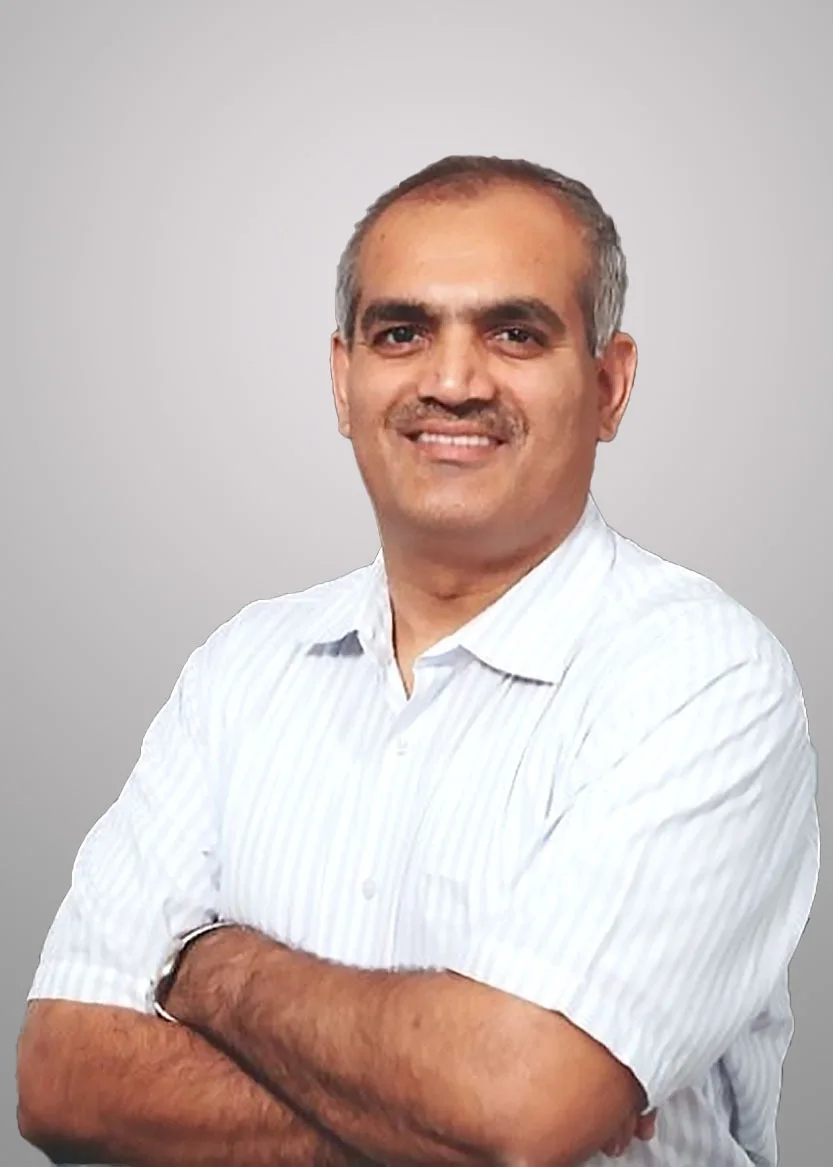
MBBS, MS - Gen Surgery (Mar 1998), DNB - Urology (June 2004), Fellow in Advanced Laproscopic Urology (June 2007)
Visiting ConsultantGenitourinary Oncology
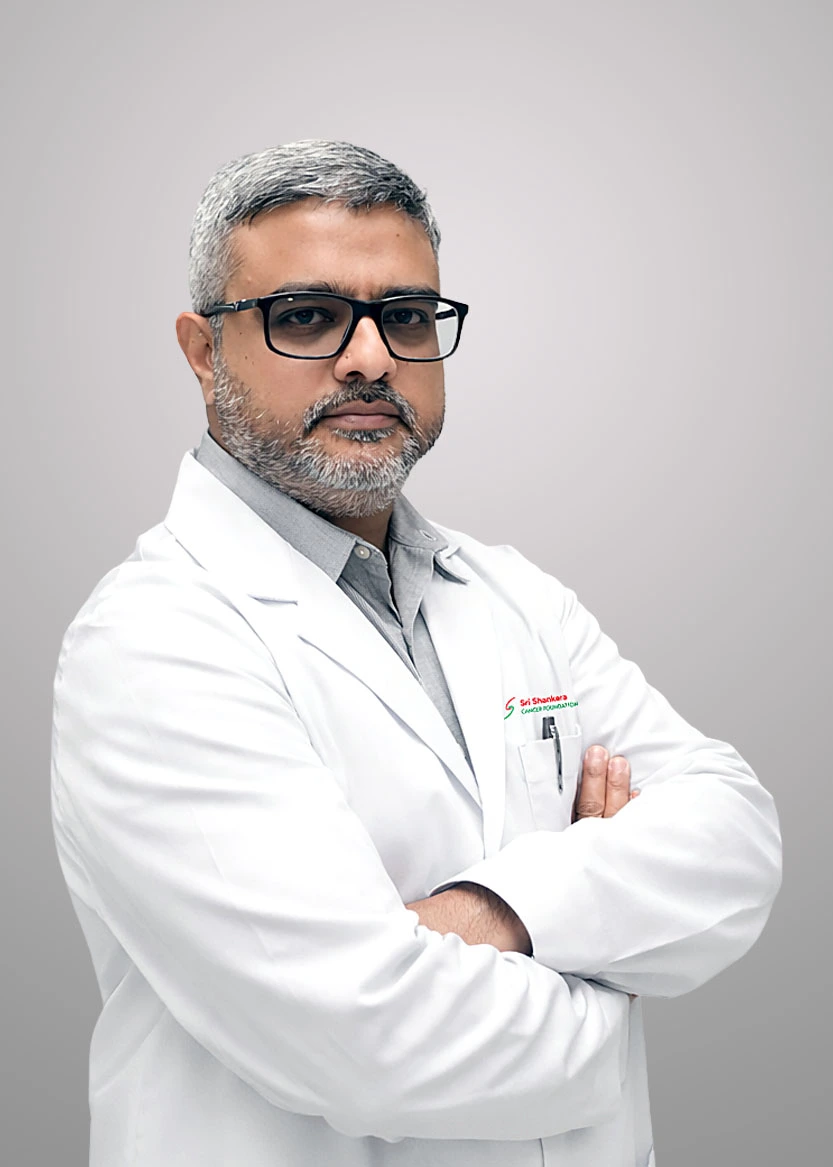
MBBS, MS (General Surgery), M.Ch (Urology), DNB - General Surgery (Feb 2012), M.Ch (Urology)
ConsultantUro Oncology